
Dr. K's Weekly Roundup, January 31, 2026
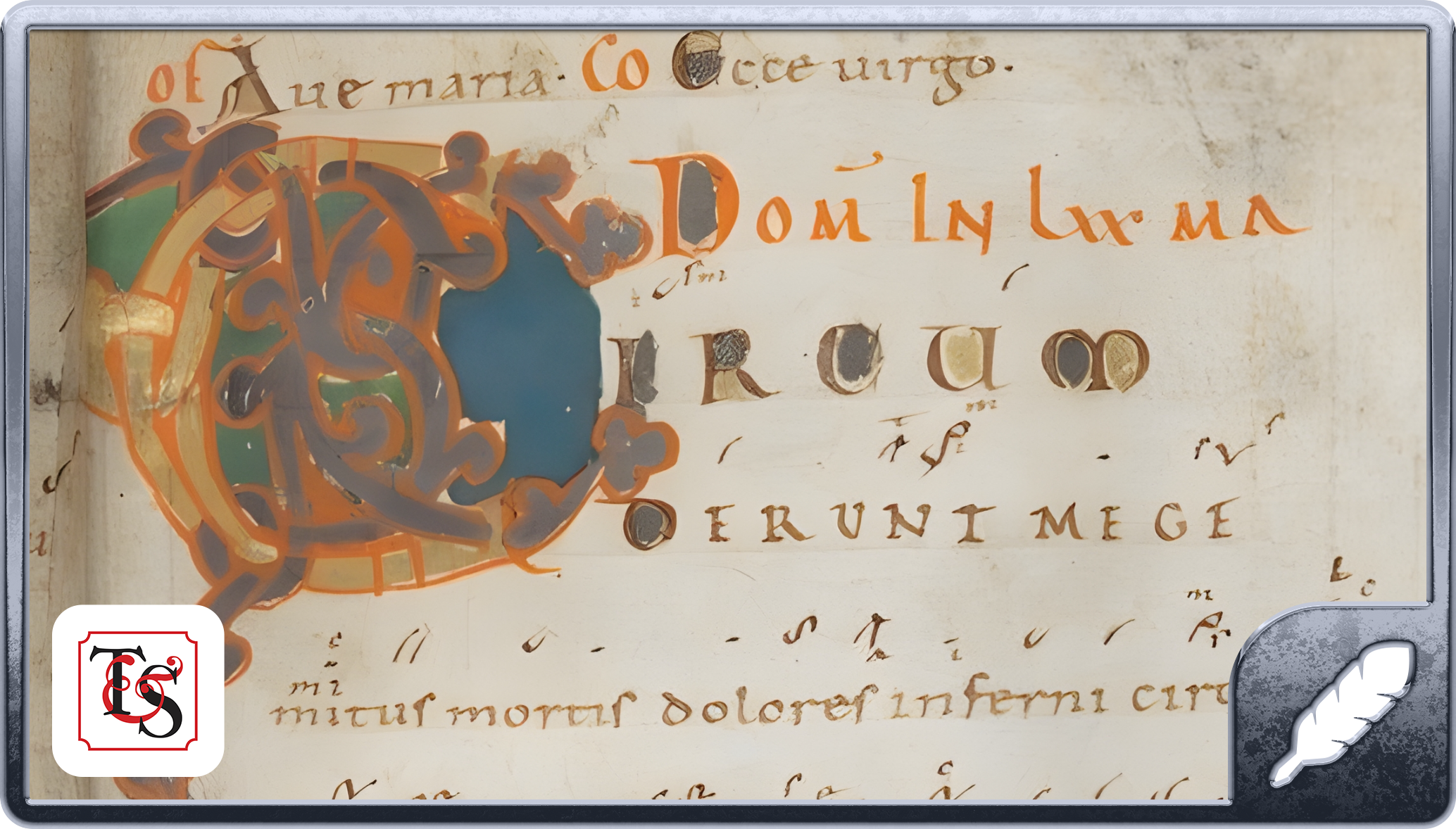
The image used for the thumbnail this week is a manuscript showing the introit for Septuagesima Sunday, the famous 10th-century Graduale from Einsiedeln (Notkeri Sequentiae). Already by this time, Septuagesimatide or pre-Lent was a longstanding tradition in the Western church.
Lots to discuss this week!
Os Justi’s latest release
In her new novel Death Comes to Wyandotte, Elizabeth Altham has given us something all too rare in modern fiction: a deeply Catholic story that shines with the triumph of grace and grit over sin and cynicism. Instead of being dark, dark, dark, as so much new writing is, the story glimmers with hope and sparkles with humor. In its pages, we follow the assignment of Fr. Hopkins and Fr. Houghton to a hideously constructed, dying parish in the boondocks, where the bishop is counting on the Latin Mass community to fail and fall apart. But that’s not what the Lord has in mind, who uses a variety of weak, strong, and volatile instruments to accomplish His purpose, in spite of every obstruction. “The light shineth in the darkness, and the darkness comprehendeth it not.”
You can read the endorsements from Fr. John Perricone, Duncan Stroik, Priscilla Smith McCaffrey, and Maggie Gallagher, and “look inside,” over at the OJP website.
The right and duty of critique
Dominic J. Grigio returns to Rorate with a new op-ed, “The Loss of the Sense of Sin Is Intimately Connected to the Loss of Doctrine,” responding to some of the objections that have been voiced to his bombshell book The Disastrous Pontificate.
When I was working on this book, there were many times when I wanted to flee for fear of the wolves. It got to the point that I was very reluctant to immerse myself in the heresies and duplicitous, cunning actions of this disastrous pontificate. It affected me physically, psychologically and spiritually. A friend kept reminding me to pray for spiritual protection, warning me of the danger inherent with the work, ‘He that toucheth pitch, shall be defiled with it.’ (Ecclesiasticus 13:1). I was very much tempted to walk away and try to forget the whole, sordid thing.
However, in retrospect I realise I was given the grace to persevere and was sustained by the three theological virtues. I love the Faith, especially as expressed through the sacred dogmas and doctrines of the Church. In the midst of the chaos and confusion caused by Bergoglio’s words and deeds, I found stability in the doctrinal pronouncements of previous councils, popes and saints. I fostered the hope that my book would help pass on the true Faith to those seeking the Truth now and in the future, and I saw my book as expressing the fundamental act of Christian love — caring for the salvation of souls.
I totally understand those who just want to forget the Bergoglian pontificate and get on with their lives. However, the fact of the matter is that though Jorge Bergoglio is dead (RIP), the evils he inflicted on the Church remain a clear and present danger to souls and the unity of the Church.
Related to this book, I did a new video in which I introduce and then read aloud a potent interview with Dominic J. Grigio that sheds further light on the circumstances out of which this great work was born, what its purposes are, why the author chose a pen name (and why the specific one he chose), and more.
Liturgical Lessons
Silent discipline
A priest friend wrote me a reflection that I would like to share with all my readers today:
Silent prayer—especially the ancient Roman Canon—constrains the priest. He cannot make a show of his personality. He cannot quip. He cannot even inflect words for the enjoyment of those who would otherwise be his listeners. Instead, he is bound, as Isaac was bound and as Our Lord was bound.
And yet, even as he is bound and inaudible, something profound is revealed about him. His mere silent prayer, while standing in the various postures proscribed in the rite, reveals his interior life. It reveals that he does not just pray performatively, like the Pharisee in Luke 19:9-14. Rather, he intentionally must say the words given to him in persona Christi, and mean them without anyone checking to see what and how he is praying the Mass.
Likewise, the faithful must entirely trust the priest will do what he is supposed to do during the Canon. They are like the disciples in Matthew 8:23-27 having to trust Christ who is not speaking to them, but is resting in silence.
I remember going once to a bishop’s first pontifical high Mass. His affable personality came through during his homily, when he even made a few jokes (in good taste). But when the offertory came, he was entirely engrossed in the rite. It was no longer this portly bishop with an extroverted personality, with his own views on the various items we quarrel over in the Church. No, it was simply Christ. It was the vicar of Christ of the diocese. And that vicar of Christ was, at that time, calling himself indignus famulus [Dei], “unworthy servant of God.”
In contrast, we’ve all been to a Novus Ordo where it appears that the priest does not even mouth the words of the silent prayers he is meant to recite as he prepares to receive his Communion. He simply receives Communion—not as intended, but without a word of contrition on his lips. If the silent recitation of a prayer reveals a priest’s spiritual life, what does the non-recitation reveal about the priest?
Thursday and Saturday articles are available for FREE at Pelican+. All you need to do is create a login with your email; and, if you then stay logged in at Pelican, a button like the one above will bring you straight into my full article. —Dr. K


