
Erasmus’s Critique of Paul VI’s Liturgical Reform
An anti-Protestant polemic from 1529 could easily have been written for Catholics in 1969
Without a doubt, Erasmus of Rotterdam (1466–1536) was the most eminent intellectual of his age. He managed to offend everybody on all sides, while gaining respect for his exalted scholarship and principled theological stance in the midst of the reformatory upheavals of the sixteenth century.
A Catholic priest, he defended the teachings and practices of the Catholic Church while lamenting and at times polemicizing against the rampant corruptions that had given occasion to the tumult. He strove to take a middle way as often as possible, seeking peace and a certain toleration among the warring factions. Nevertheless, he was really very clear that he considered “evangelicalism” (his term for what we now usually call Protestantism) to be a heretical movement.
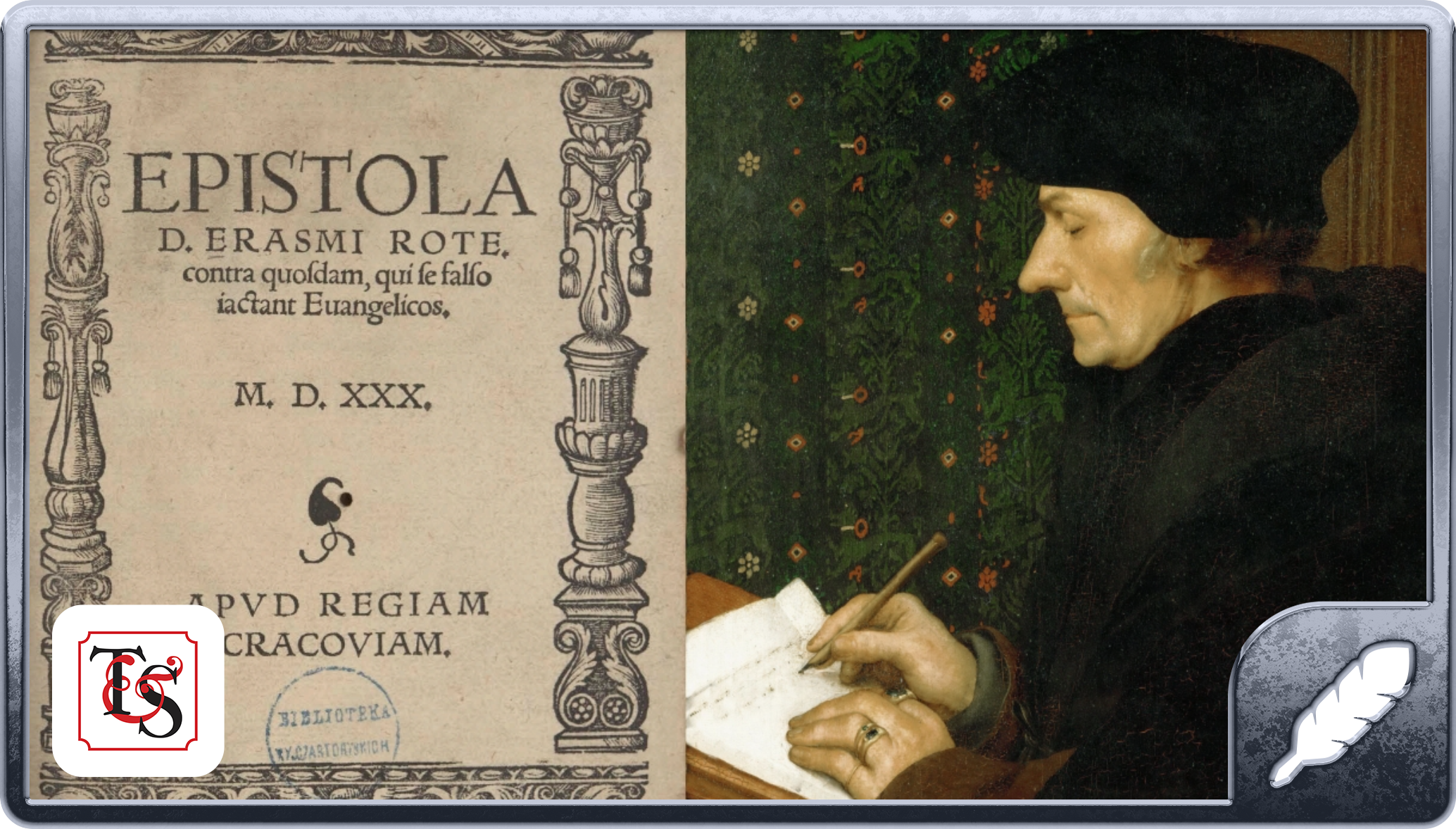
It was therefore a discovery of considerable worth when a friend shared with me a work by him that I had not previously know about, entitled Epistle against the False Evangelicals (Epistola contra quosdam qui se falso iactant pseudevangelicos), from 1529, only a dozen years after Martin Luther nailed his theses to the door of the Wittenberg church. As you will discover, many of the Protestant errors castigated by Erasmus are alive and well today—in the Catholic Church, no less! For you will hear the strong parallels between the way the “false evangelicals” thought and acted, and the way the post-Vatican II liturgical reformers thought and acted. Listen on, and tell me if I’m exaggerating.
Our text is taken from The Collected Works of Erasmus, volume 78, Controversies, published by the University of Toronto Press in 2011; it is translated by Garth Tissol. Page numbers are given in parentheses.
Let us begin.
“You boast that you are restoring to the light the evangelical truth that has lain buried for over a thousand years. If what you say is true, you are performing a more difficult enterprise than the apostles had in their day. It was much easier to abolish Hebrew rites and demolish pagan superstitions than it is to root out everything that the leaders of the church have taught over many centuries, and with much agreement, as the oracles of God—everything that they have cherished and held, and hold still today.” (229)
“Nothing at all pleases you among accepted usages. You pluck out the tare along with the wheat, or, to put it better, you pluck out the wheat instead of the tare.” (231)
“Statues have been driven out of churches, but what does that matter, when the idols of their vices [that is, the evangelicals’] are nonetheless receiving worship in their hearts? I do not see with what purpose they have destroyed some images so zealously, unless to provide a rallying point for their conspiracy.” (231)
“They trample on ceremony, but add nothing to spirituality; in fact, it has been greatly decreased, in my judgment.” (232)
“You are demanding that within nine years everybody on earth should scorn what they received a thousand years ago from their ancestors, and rush with all their might to embrace your doctrines, though these have none of the commendations that we enumerated. What sort of demands are you making of us? To believe that the church lacked Christ for 1400 years; that the bride worshipped ghosts and idols instead of God, while the Bridegroom snored away; that she was utterly blind in expounding the Sacred Scriptures; that the saints’ miracles were nothing other than the illusionistic tricks of demons?…
Please note that reading Monday’s article in full, or listening to its voiceover, requires a paid subscription to Pelican+. If you’re not already subscribed, I encourage you to try a free 7-day trial, which will give you access to this and countless other features, such as Gregorian chant and Bible recordings, a library of recited and sung prayers, exclusive Mass of the Ages content, family programs, podcasts, ebooks, and more.


