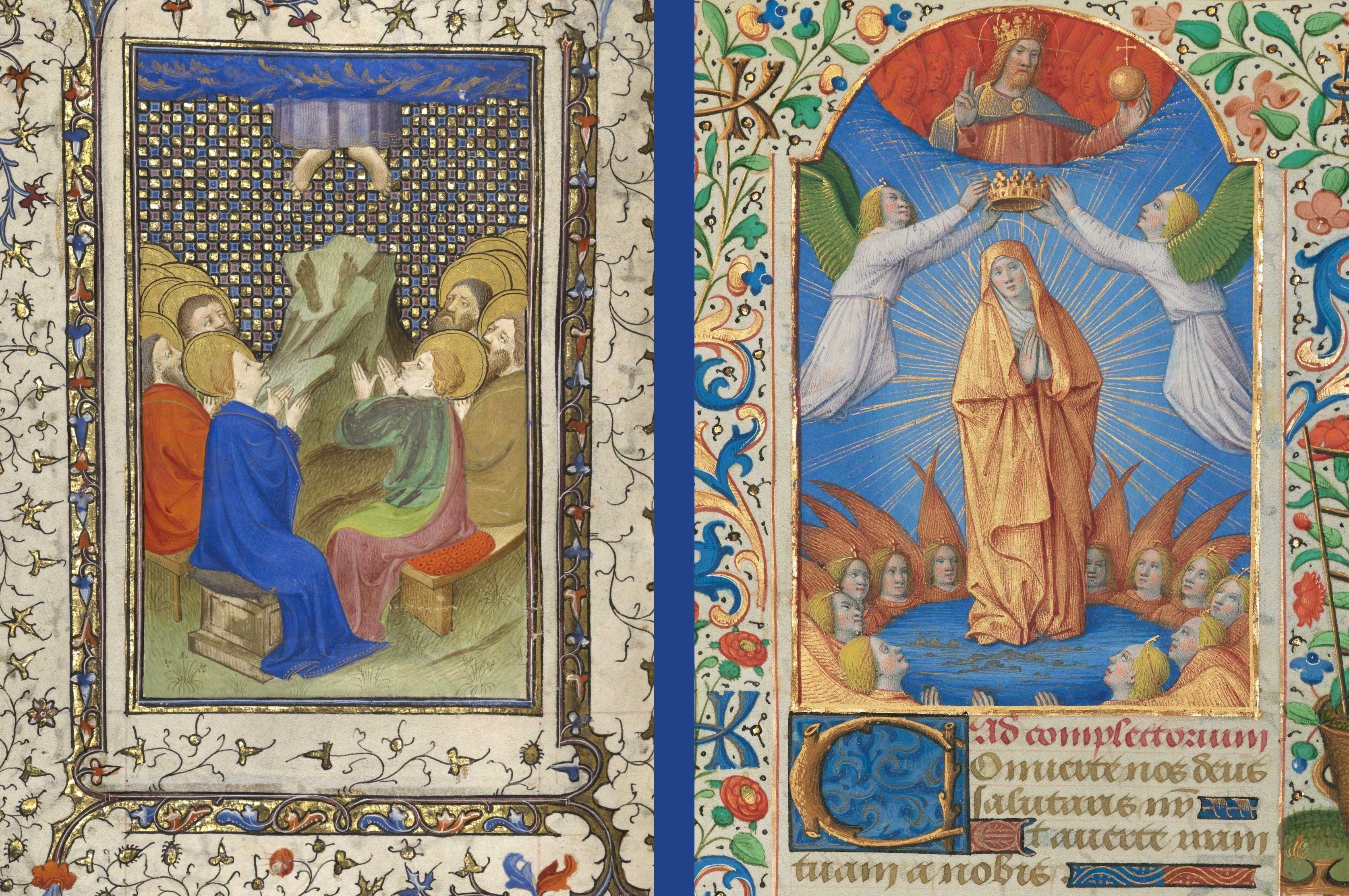
On the traditional Roman liturgical calendar, August 22 is the feast of the Immaculate Heart of Mary, and May 31 is the feast of the Queenship of Mary. (In Belgium and some other places, there was a feast of Mary, Mediatrix of All Graces on this date, which expresses a similar idea.) In spite of the clear statement of the Second Vatican Council that “there must be no innovations unless the good of the Church genuinely and certainly requires them” (Sacrosanctum Concilium 23), the architects of the Novus Ordo decided to change nearly everything around, including many dates on the calendar of saints; so, for the modern papal rite of 1969, the Queenship of Mary was moved to August 22, and the Immaculate Heart of Mary was moved to the Saturday immediately after the Sacred Heart of Jesus.
I used to think this was a rare example of an improvement — although by no stretch of the imagination could it have been considered “genuinely and certainly required.”
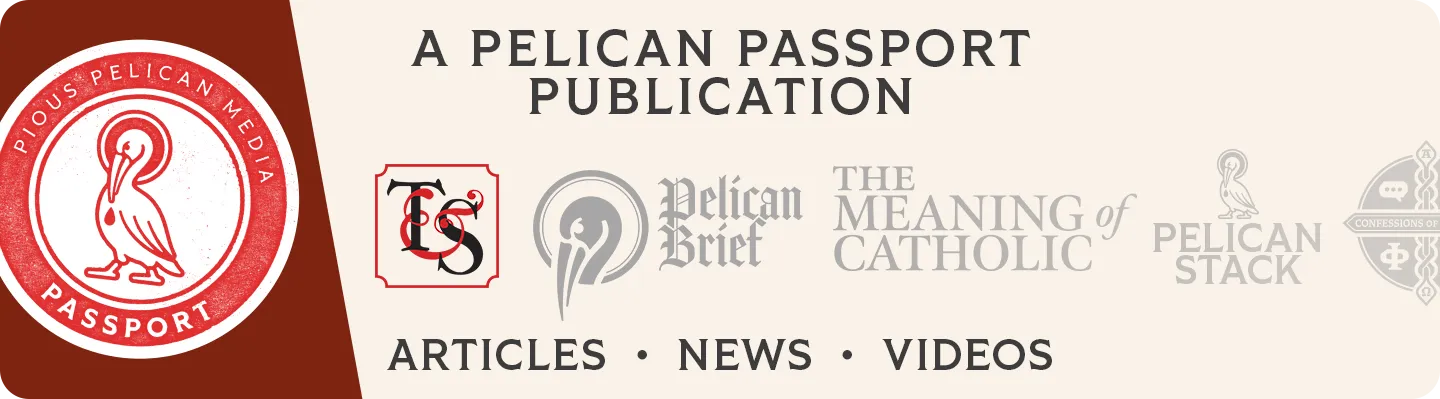
But then I came to understand how the Western tradition understood the Assumption of the Virgin Mary, namely, in parallel to the Ascension of Jesus Christ her Son.