
How to Soften a Hard Heart During Lent
Now that we are drawing near to the start of Lent, it is good to consider how we will observe it so as to purify ourselves of sin and prepare ourselves for the celebration of the Resurrection of the Lord. We need to think about what prayers and penances we will take up before Ash Wednesday is suddenly upon us. That, indeed, was the purpose of the old preparatory period of Septuagesima, which is still observed by communities that utilize the traditional Roman rite.
We need to be concrete about what we will do, rather than vague, and we should include something positive, not merely “giving up” this or that—although, to be sure, it would be a liberating penance to give up not only dessert or liquor, but something that (for many) cuts more into the bone: television, movies, the internet on Sundays, Instagram or X, etc. Here, however, I want to concentrate on a positive Lenten practice that we may very well find so fruitful that we will decide to keep it going afterward: lectio divina.
The “Desert Fathers,” the first monks in the wilderness of Egypt, can teach us a lot of lessons: they fought manfully against the world, the flesh, and the devil and left us their wisdom in the form of stories and aphorisms.
Abba Poemen once said: “The nature of water is soft, that of stone is hard. But if water ceaselessly falls drop by drop, the stone is worn away. So it is with the word of God. It is soft and our heart is hard; but the one who hears the word of God often, opens his heart to the fear of God.”
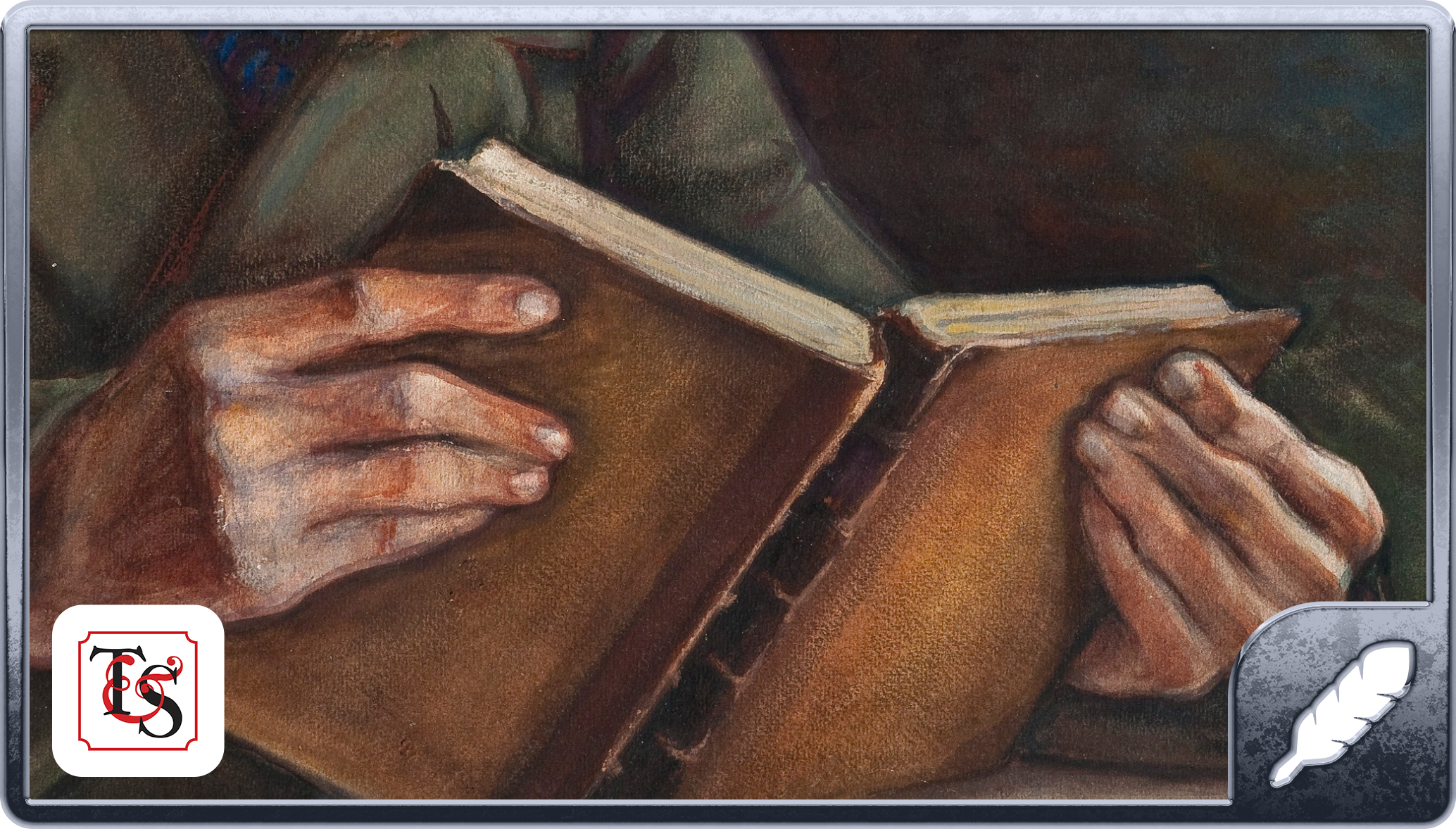
Our basic problem is hardness of heart, so we are looking for any outside source that can carve out an opening for the Spirit, or better, soften it—as if turning stone into soil where new life can grow. God gave us the Bible for many reasons, but surely one of the reasons is that we might let His word work upon us, day by day, to melt that frozen heart, to penetrate into it and bring life. We have to steep ourselves in God’s Word if we expect it to become connatural to us: the air we breathe, the water we drink, the light we see in, the food we live on.
Please note that reading Monday’s article in full, or listening to its voiceover, requires a paid subscription to Pelican+. If you’re not already subscribed, I encourage you to try a free 7-day trial, which will give you access to this and countless other features, such as Gregorian chant and Bible recordings, a library of recited and sung prayers, exclusive Mass of the Ages content, family programs like “Martyrs & Miracle Men,” podcasts, ebooks, and more—the most comprehensive traditional Catholic digital platform in existence.


