
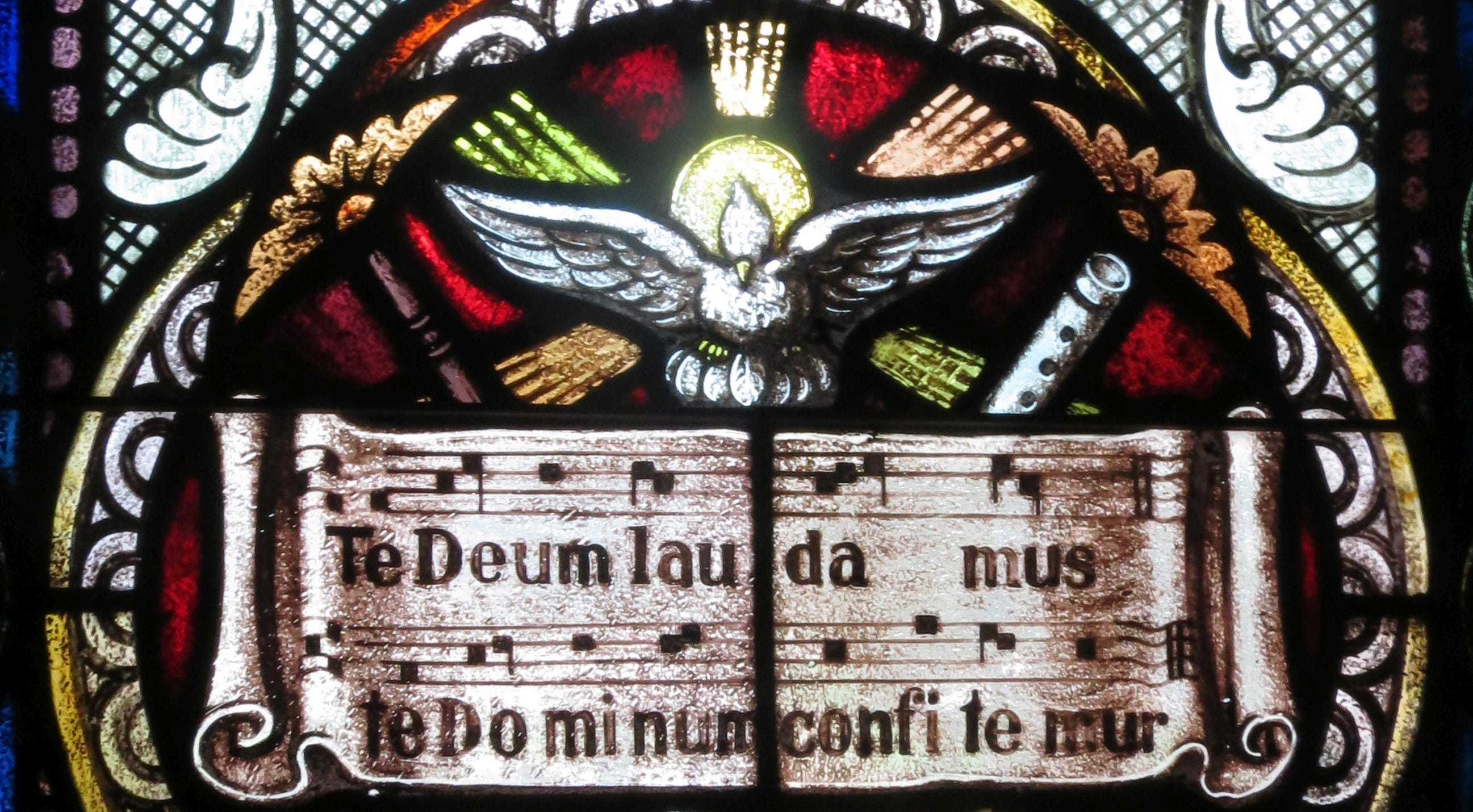
Tedium or Te Deum? New Year’s for Catholics
Ring in the new year with a chant and an indulgence
The end of the calendar year is a time when a certain melancholy tends to grip people, since it puts before our faces the inevitable passage of time that brings death ever closer. This momentary awareness of the evanescence of all things at least partly explains why there is so much merrymaking that often ends in drunkenness and stupor. Nothing is easier, it seems, than drinking away mortality, which is as effective an “antidote” as gulping down blood-thinning pills while bleeding from a cut.
St. John Chrysostom, that fearless preacher of the early Church, frequently reminded the Christians of Antioch that they needed to abandon the ways of their pagan neighbors and embrace a more moderate, but for that reason more joyful, way of life (this much the ancient Stoics, Epicureans, and Christians had in common). Like all the Church Fathers, he was familiar with the widespread phenomenon of more-or-less committed believers succumbing to the boisterous peer pressure of their unbelieving compatriots—the social recidivism by which, even against our conscience and our better selves, we go along with the bad customs of our times.
Here is what the golden-mouthed archbishop had to say:
Unhappy those houses which are but little removed from resorts of pleasure. Let all such things, I beseech you, be removed from among you. Let the houses of the Christian, and of the baptised, be free from the devil’s chorus: let it be refined, hospitable, and sanctified by earnest prayer: let you come together for psalms and hymns and spiritual singing. Let the word of God, and the sign of Christ, be in your heart, and on your lips and brow, in your eating and in your drinking, in your conversations, at the baths, in your chambers, in your coming and in your going, in joy and in sadness; so that according to the teaching of the most blessed Paul: whether you eat or drink, or whatever else you do, do all in the Name of Our Lord Jesus Christ (1 Cor. 1:31; Col. 3:17), Who has called you to His grace. For it is He that has given you pardon for your past offences, and promises you reward for your amended lives.
In its mighty centuries-long struggle with both idolatry and heresy, the early Church took seriously her obligation to send up orthodox praises to the Lord on high holy days. This is an occupation fit for a king, namely, for each of the baptized. In an article at New Liturgical Movement, Gregory DiPippo notes that the early Christians were keenly aware that their manner of “ringing in the new year” was decisively different from that of the pagans who surrounded them and who lost no opportunity to indulge in hedonistic idol veneration: […]


I’m currently reading Paul Kingsworth’s “Against the Machine,” and just finished the chapter on how losing the concept of the home has accelerated our decline as a culture. “Strip the last remaining fires from the last remaining hearths, and you are one step closer to what is perhaps the ultimate ambition of the Machine: the abolition of home.”
I enthusiastically praise you merely for the pun in the title! My gratefulness to God could go on and on.... ;)