Note: At the end of this post will be found the monastic version of the Itinerary in Latin and English. The full prayer might be cut off in your email delivery, so simply click on the hyperlinked title of this article to be taken to the Substack, where you will find and be able to download the 3 pages. Alternatively, the text and a translation of the Itinerary from the Roman Breviary can be found online here.
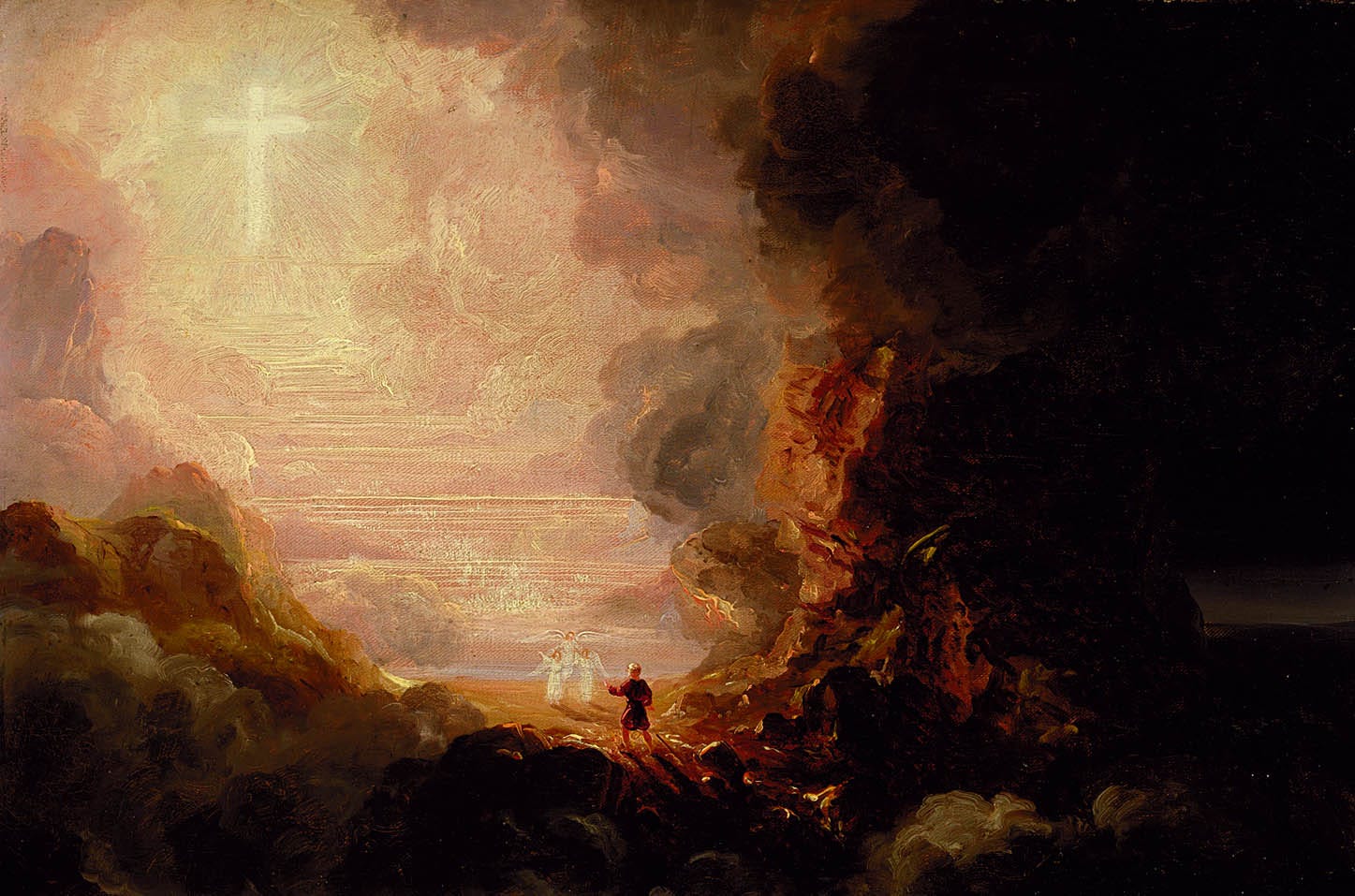
Man is a stranger and a sojourner upon Earth. We are ever in via, from the day of our birth to our final breath. The roots of our pilgrimage go back even farther than our exile from Eden, back to the Heart of God from which we came, and to which we are going, the exitus-reditus described by St. Thomas Aquinas.
Life is a perilous sojourn, but one we travel peacefully if we remain under the shelter of God’s protection. Conversely, travel possesses tremendous spiritual potential. The devout Christian finds himself ever in need of divine assistance as he faces dark and dangerous roads, and unanticipated challenges to his virtue amid the mundane necessities of his transit.
To that end, one great treasure of the traditional Roman liturgy is the Itinerarium (or Itinerary), a venerable prayer invoking the powerful aid of Heaven for safe travels. According to the Catholic Encyclopedia, two of its Collects are very ancient, and its spread may be attributed to the practice of monks, who prayed it in obedience to the 67th chapter of the Rule of St. Benedict. Today, it can be found in both the traditional Monastic breviary and the Roman Breviary. Familiarizing ourselves with its spiritual meaning, as well as incorporating it into our travel routine, will sanctify us and bless our journeys. To that end, may these meditations inspire you to entrust your ways to God through this miraculous, powerful prayer.
In Viam Pacis
The Itinerary begins with the antiphon, “In viam pacis,” followed by the Canticle of Zachary, the Benedictus. With radiant clarity, the prayer turns our eyes towards the Dayspring from on high and the mysteries of our Redemption. This is the principal action of the Holy Spirit: to draw our hearts day by day into union with Jesus, who said “I am the Way, the Truth, and the Life.”
By placing the Benedictus on our lips at the beginning of our journey, Holy Mother Church teaches us once more how to set our steps on the way of peace: to bless the Lord at all times, to remember His promises, to do penance for our sins, and to immerse ourselves in “the merciful Heart of our God.”
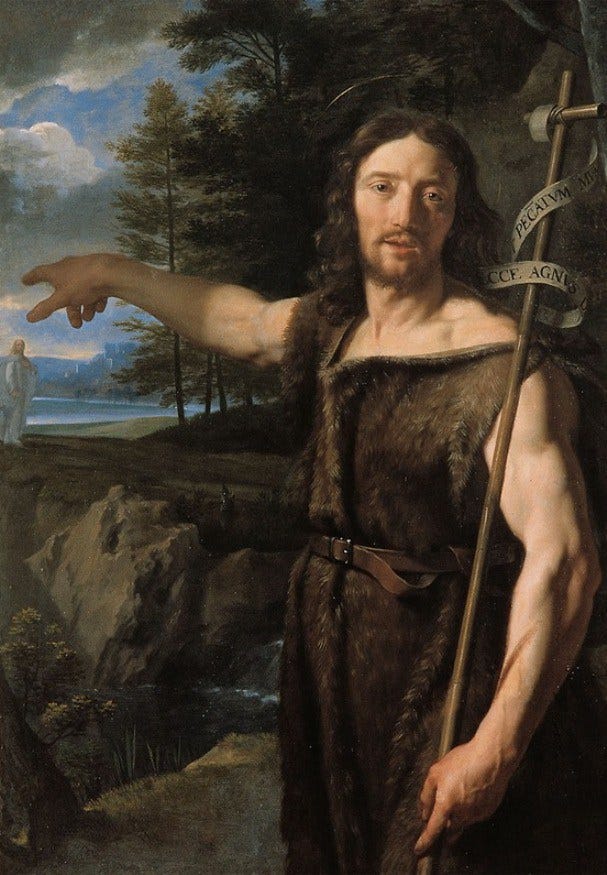
Beautifully, the Benedictus sets before us the example of St. John the Baptist, the Forerunner, who was given the Divine vocation to “enlighten them that sit in darkness and the shadow of death, to guide our feet into the way of peace.”