


On June 13, 1691, a Spanish expedition arrived at a great and broad river set amid rolling plains in the province of Coahuila y Tejas. Delighted with the country, which Governor Domingo Terán de los Rios called “the most beautiful in New Spain,” the Spaniards named it, San Antonio de Padua, “because it was his day.” On the 14th, which was the Feast of Corpus Christi, Father Damián Massennet, a Franciscan, arranged for Masses to be said at the site, and later recorded the events in his diary:
I ordered a large cross set up [on the 14th], and in front of it built an arbor of cottonwood trees, where the altar was placed. All the priests said Mass. High Mass was attended by Governor Don Domingo Terán de los Rios, Captain Don Francisco Martinez, and the rest of the soldiers.... The [Payaya] Indians were present during these ceremonies....
The Mass crowned the long journey made from Mexico, and marked the future mission site and city that would famously bear the name of Saint Anthony. Around the humble altars raised near the fertile banks of the San Antonio River grew a uniquely Christian civilization, marked in its very foundations by Franciscan spirituality.

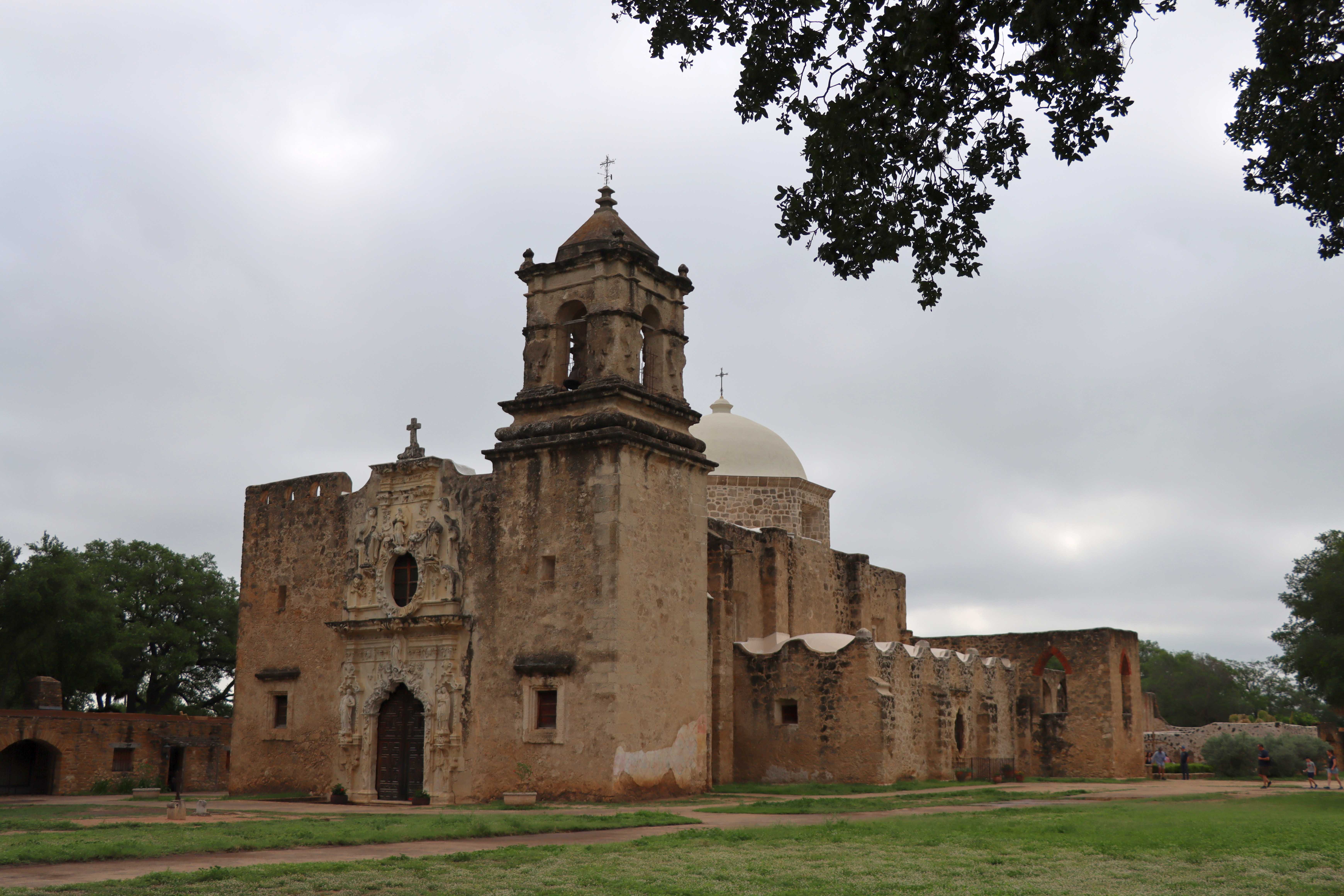
The beautiful Mission churches built to house the Mass sheltered the faith of the people of San Antonio through poverty, plague, and war. Continually ruined and continually rebuilt, four of the five original mission churches today serve as parishes, a testament to the deep faith planted by the missionaries so many centuries ago. For the poor and the pilgrim alike, the crumbling stones still point upward, echoing the eternal “Sursum Corda” they were built to serve.
Mission San Francisco de la Espada
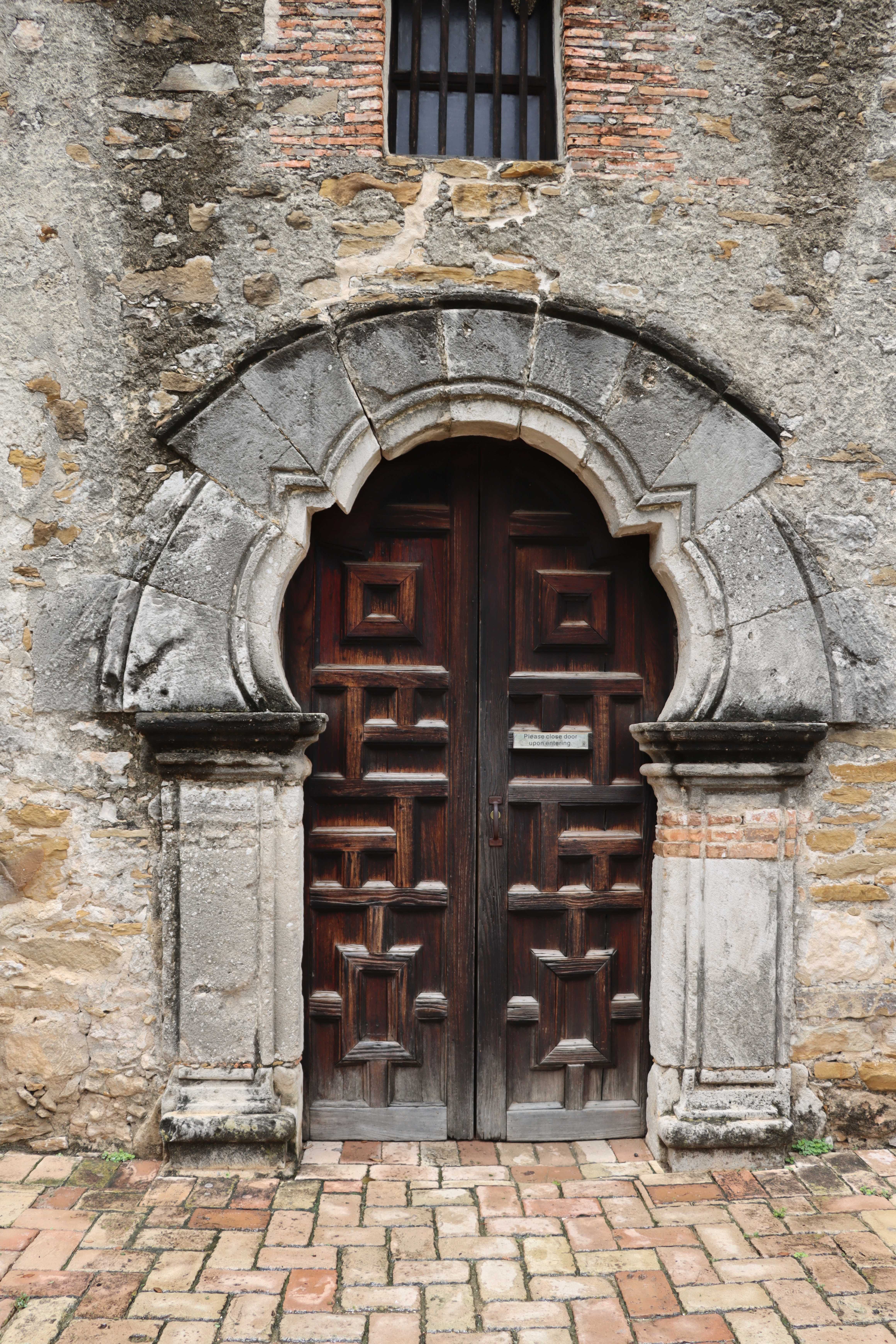
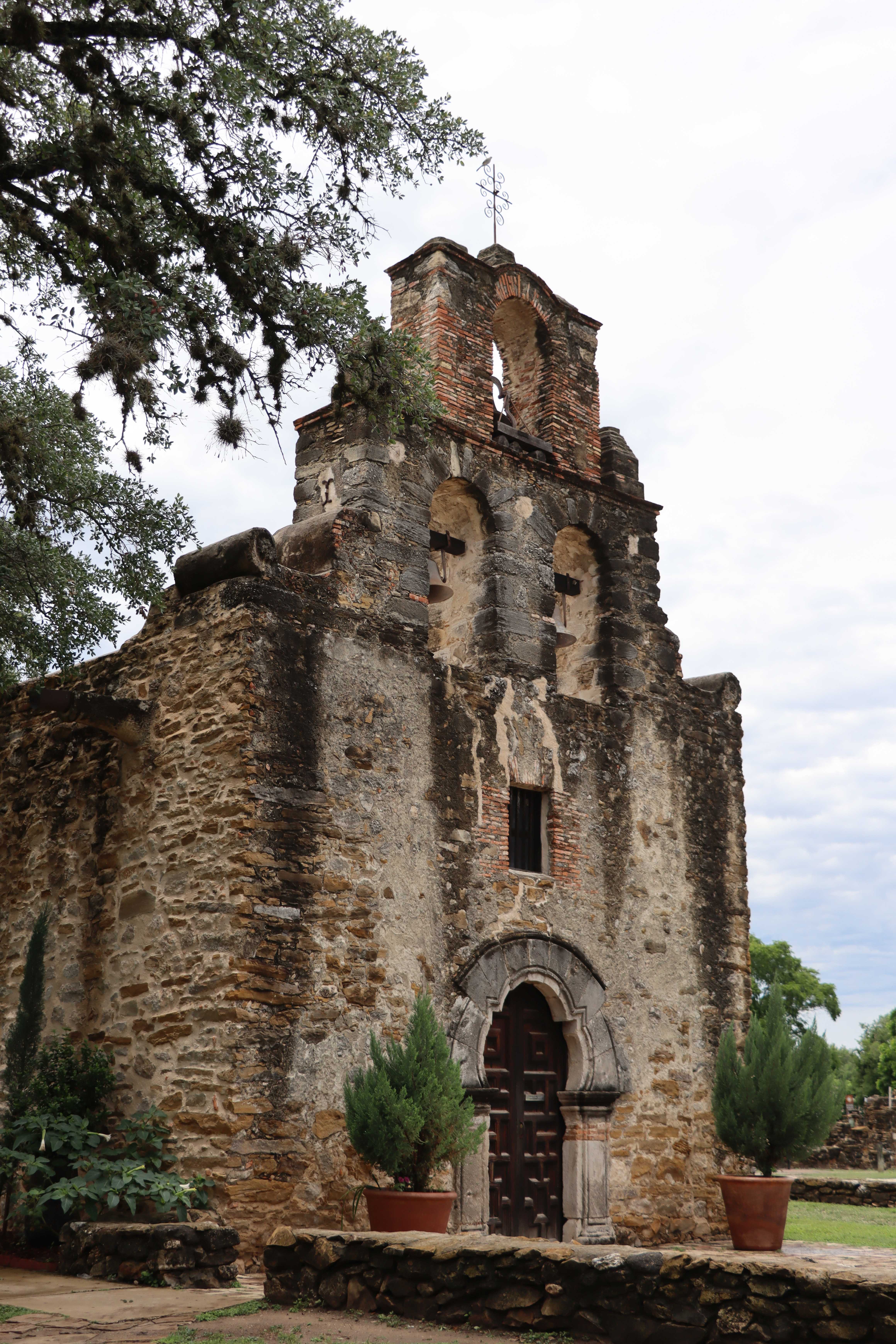
Mission San Francisco de la Espada was “the first mission in [the province of] Texas, founded in 1690 as San Francisco de los Tejas near present-day Weches, Texas. On March 5, 1731, the mission was transferred to the San Antonio River area and renamed Mission San Francisco de la Espada. A friary was built in 1745, and the church was completed in 1756.”1 Mission Espada was one of the most remote of the missions, and therefore in constant danger from the Apaches. Several church structures were erected and then were subsequently torn down because they were unsafe.
Following complete secularization in 1824, Mission Espada was neglected for many decades. Thanks to the heroic efforts of Fr. Francis Bouchu, a complete restoration was completed in 1907. Of the ancient structure, only the facade remains, yet the mysterious herradura (horseshoe arch) and Espadaña (bell tower), like the remains of the outworks surrounding the small church, speak enduringly of ages past. Each stone reflects the unique harmonization of cultures that was the fruit of the sacramental life in the missions.
The interior of the Espada church is lovingly Franciscan. The austerity and simplicity of the building is counterpointed with the evocative statues in polychrome, a unique colonial painting style that layered multiple colors of paint and gold leaf on wooden statues. Local tradition claims that the 18th-century statue of Saint Francis of Assisi once held a sword (hence the name of the Mission, “Espada”), a possible allusion to an episode in the life of St. Francis recorded by Saint Bonaventure, who identifies the sword with the Holy Cross. Saint Bonventure recounts that on Mount Alverno, Saint Francis “rejoiced at the gracious aspect wherewith he saw Christ, under the guise of the Seraph, regard him, but His crucifixion pierced his soul with a sword of pitying grief.”

Espada remains a deeply prayerful and meditative place. Descendents of the original families still come there to pray, drawn to the faith of their ancestors who built the churches, tilled the ground, and sanctified their lives under the paternal hands of the missionary priests. One may sense at Espada the paradox of an edifice of invisible spiritual height hidden in heaven, though its base rests on the most humble foundations.
