
The Wealth of the Holy Family, and Thoughts on J.D. Vance’s “Hillbilly Elegy”
Note to Readers: If you are receiving TWO emails of the same T&S article (one from Substack and one from Pelican+), then simply unsubscribe yourself from this Substack. I won’t be publishing anything here that won’t also appear (and in full) at Pelican+. That’s also where the voiceover will be found.—Dr. K
Second Note: When this article was posted today, the link at the bottom was broken. That’s now been fixed.
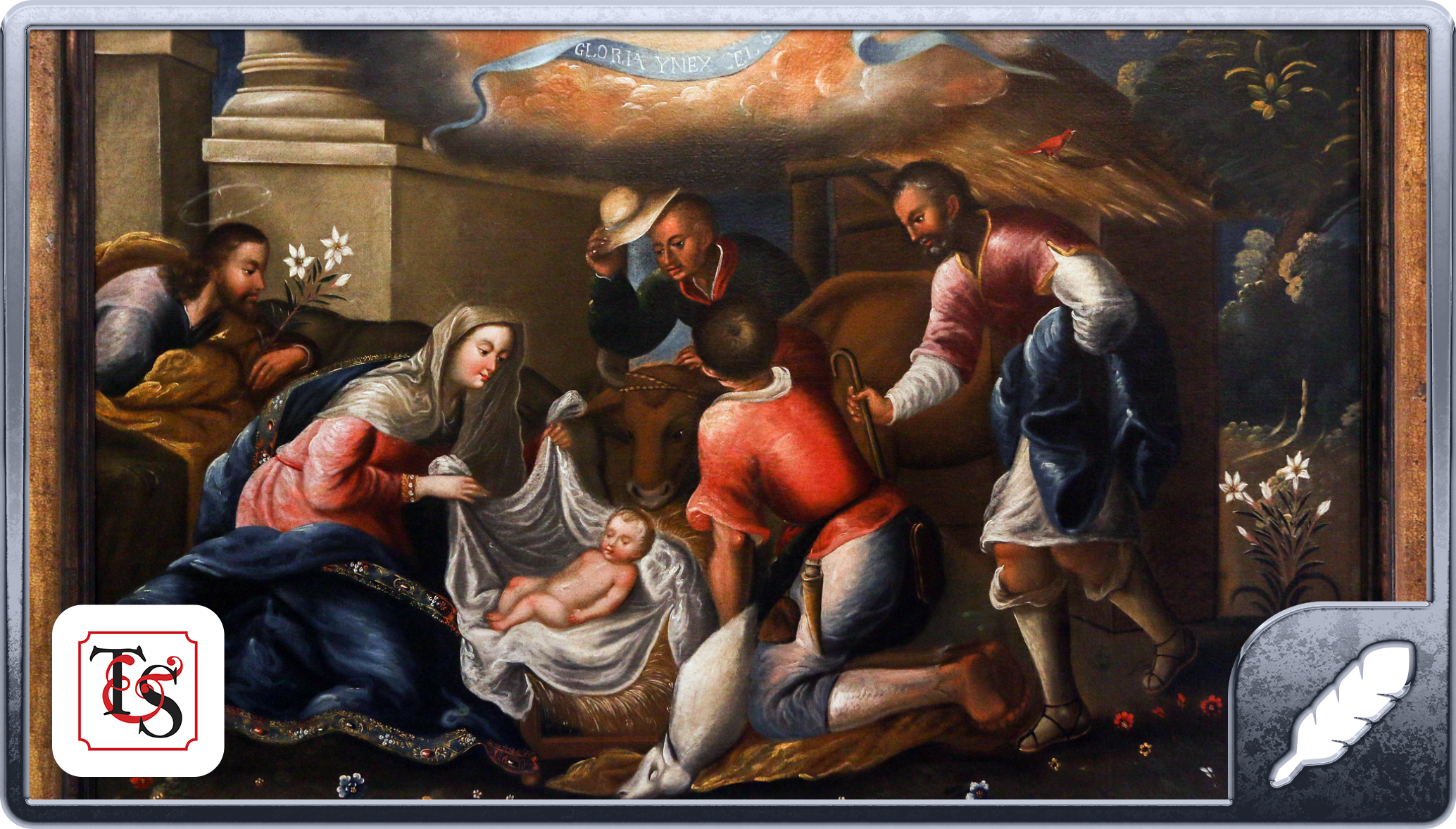
At this time of the year it is traditional to hear about the poverty of the Holy Family, and sometimes this ignites a debate about their social and economic circumstances. Certainly, it was the will of Providence that the Christ-child was not born in a palace, but details are few.
Almost the only thing we are told in the Bible is that He was laid in a manger, an animal food trough, because there was no room in the “inn” (Luke 2:7). The Greek word traditionally translated “inn” is katalyma, which may simply mean the guest room of a small house. The next place you can put guests up, if the special guest room is occupied, is the space otherwise used for the animals.
This detail has suggested to many commentators that the Holy Family were destitute. I once heard a sermon in which the priest insisted that when Jesus was wrapped in “swaddling bands,” this meant “rags.” This is pure fantasy. The infants of the elite would also, certainly, have been swaddled in that region at that time, and the practice of swaddling continues to this day in some cultures. (It can help infants to sleep. Don’t ask me how I know.)
However, I don’t want to get into a social analysis of St Joseph’s trade, or an exegesis of Greek terms for different kinds of accommodation, or the child-rearing practices of the ancient near east. I mention all this just this because the story of the Holy Family finding shelter in Bethlehem in time for the birth of Christ suggests something quite different to me. My takeaway is that someone did, in fact, open their home, or some part of it, to this family from Nazareth.
The Holy Family were in Bethlehem to be “enrolled” in a census, and Bethlehem was their ancestral home town. It was the home town of their clan, to be precise, because St Joseph, and, according to tradition, Our Lady as well, were “of the House of David,” and Bethlehem had been David’s home nearly 900 years earlier. In traditional, clan-based societies, having an identity that connects you to the village of a famous ancestor from long ago is perfectly normal, even if you haven’t lived there for generations.
There is also a tendency in such societies to marry within the clan, even if your branch has moved away—as Isaac and Jacob did in their own day. This means that the families of a clan, and of a clan village, don’t become less closely related to each other the more time elapses since the era of their common ancestor, but actually more closely related, and more distinct from the clan down the road, in subtle cultural and linguistic ways.


Thank you Dr. Shaw! I really enjoyed this piece, especially because I grew up in just such a family. Hundreds of cousins, and we're still talking about family events that happened a century ago. It is wonderful to think of Our Lady and St. Joseph's extended family. God bless, and Merry Christmas.
Ten four, good buddy.