
Why the Mass Should Be Kingly and Courtly
For the 100th Anniversary of Pius XI's Encyclical "Quas Primas"
Preliminary Note: A great big thank-you to everyone who has signed up at Pelican+ in order to continue following Tradition & Sanity. I am very grateful for your flexibility and enthusiasm. We had hoped to do email pushouts much earlier, but it took longer to build the necessary software. As of this week, the email system is in place, so, if you are subscribed to Pelican+, you should be receiving my articles via email as often as they are published (that is, three times a week; you can also opt out of the emails without unsubscribing from the platform). If you’re not getting the emails as expected, please just let me know. —Dr. K
Today, December 11, 2025, is the one hundredth anniversary of the promulgation of Pope Pius XI’s decisive encyclical on the kingship of Jesus Christ, Quas Primas, through which he gave the Church a full theology of this mystery and, to make it firmly a part of the Catholic soul, instituted a new feast for the last Sunday of October. (The profound meaning of this choice of date as well as the significance of Paul VI’s changes to the feast and its location are discussed in a different article of mine: “Two Dates, Two Different Feasts: October vs. November ‘Christ the Kings.’”)
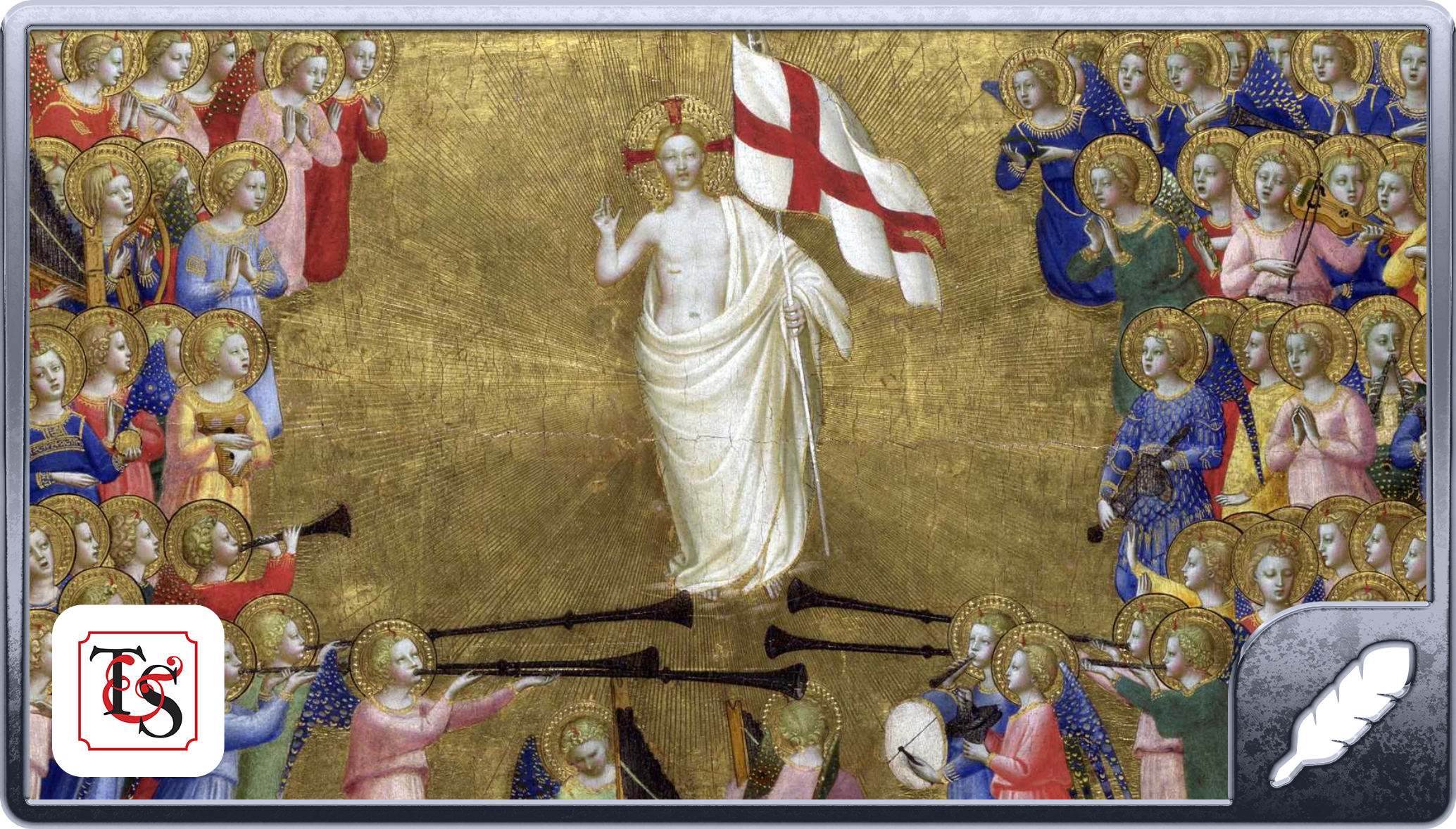
Here, I will speak of why it is appropriate that the Mass should follow the fundamental symbolic paradigm of worship according to Sacred Scripture and the entire Christian tradition, namely, that God is our great King, ruling over all with the scepter of righteousness; that Jesus Christ is the King of kings and Lord of lords, the Judge of the living and the dead; that heaven is His throne and earth His footstool; and that, in His holy court, a vast multitude of saints and angels minister unto Him, with His holy Mother, Our Lady, as their Queen.
Foes of tradition assert that the classical Latin liturgy is characterized by courtliness or court etiquette, and that, as time went on, it got mixed up with (and corrupted by) expressions of Baroque secular politics. In other words, the progressives hold that the traditional Mass—think especially of the Pontifical Mass—is an elaborate show of deference toward a prince or king, indebted more to secular high culture than to sacred precedent, and detracts from the humility, simplicity, and immediacy of the presence of Christ in the community, the brotherhood gathered around the table.
However plausible this may sound to some, there are nagging counterindications that deserve the attention of honest inquirers. In his work The Treasure of the Church, Canon Bagshawe argues to the intimate connection between royalism (or royalty) and temple liturgy, and how, as a result, the image of “the court of the great king” was taken up by Christian liturgy and everywhere accepted as a normative framework—something it obviously already is in both the Old and New Testaments.
N.B. For those who wish to listen, the audio file may be accessed at Pelican+.


As I listen this morning, I am filled with hope, joy and love for the Traditional Latin Mass. Once again, it becomes more obvious that modernism is truly a heresy and an evil.
When will we stop getting two emails with the same subject? /j, really; I know such things take time. I hope you and your family have a blessed and peaceful Advent.