



PRELIMINARY NOTE
This coming week, I’ll be on a lecture tour taking me across the Midwest to the East and back: once in Illinois, twice in Pennsylvania, and once in Indiana. Join me at any of these events if you can make it—I’m always delighted to meet readers in person (a rare gift!).
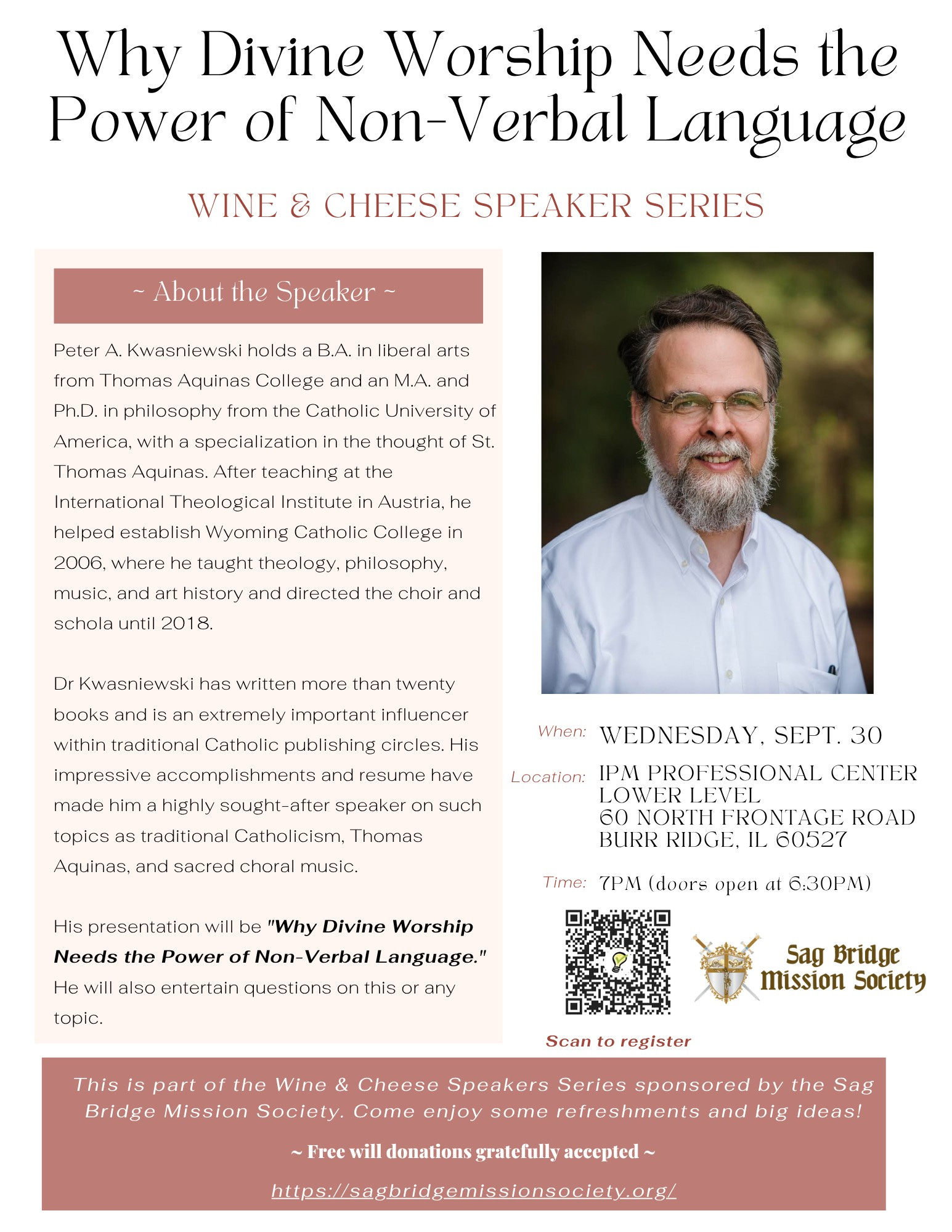
Wednesday, September 30, 7pm, Burr Ridge, IL (open to public)
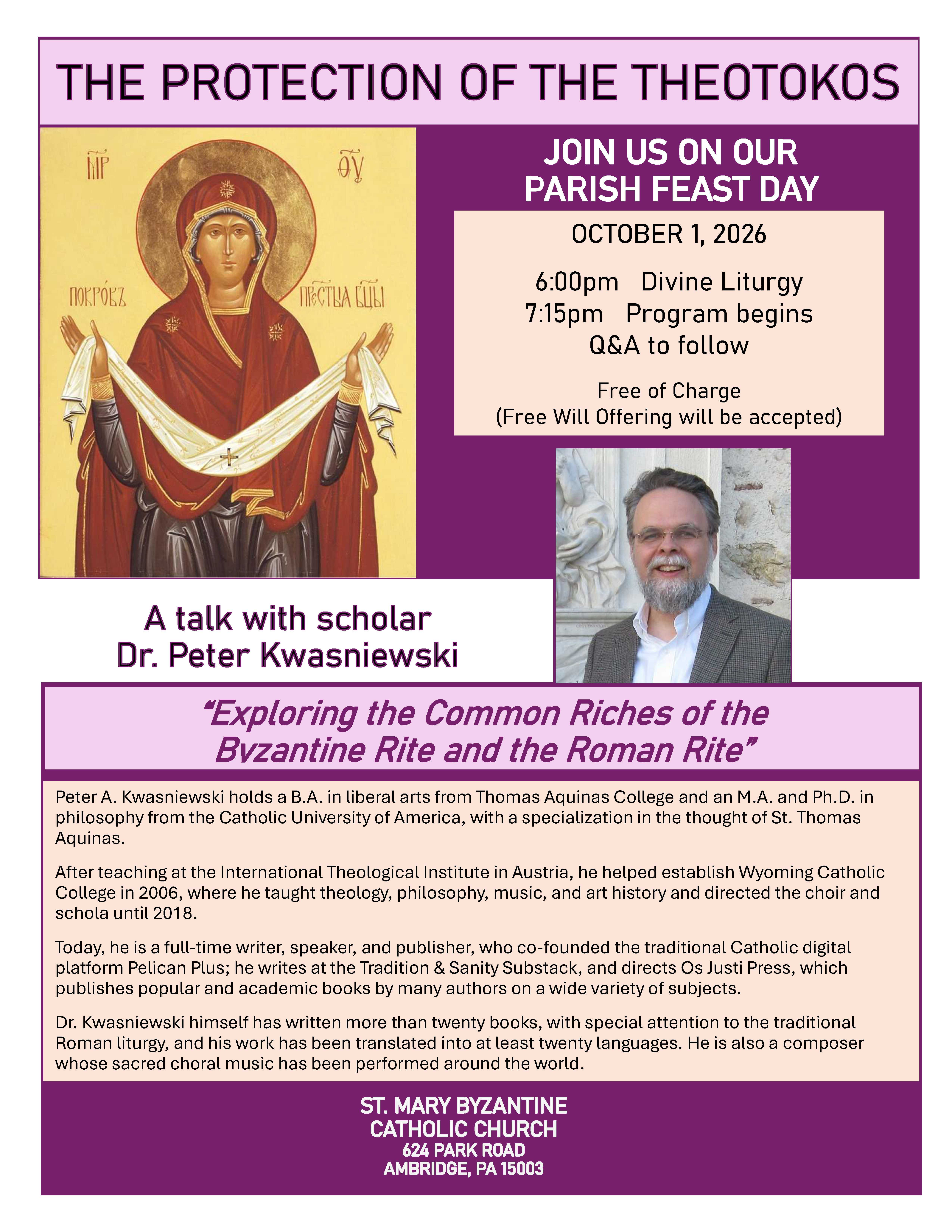
Thursday, October 1, 7pm, Ambridge, PA (open to public)
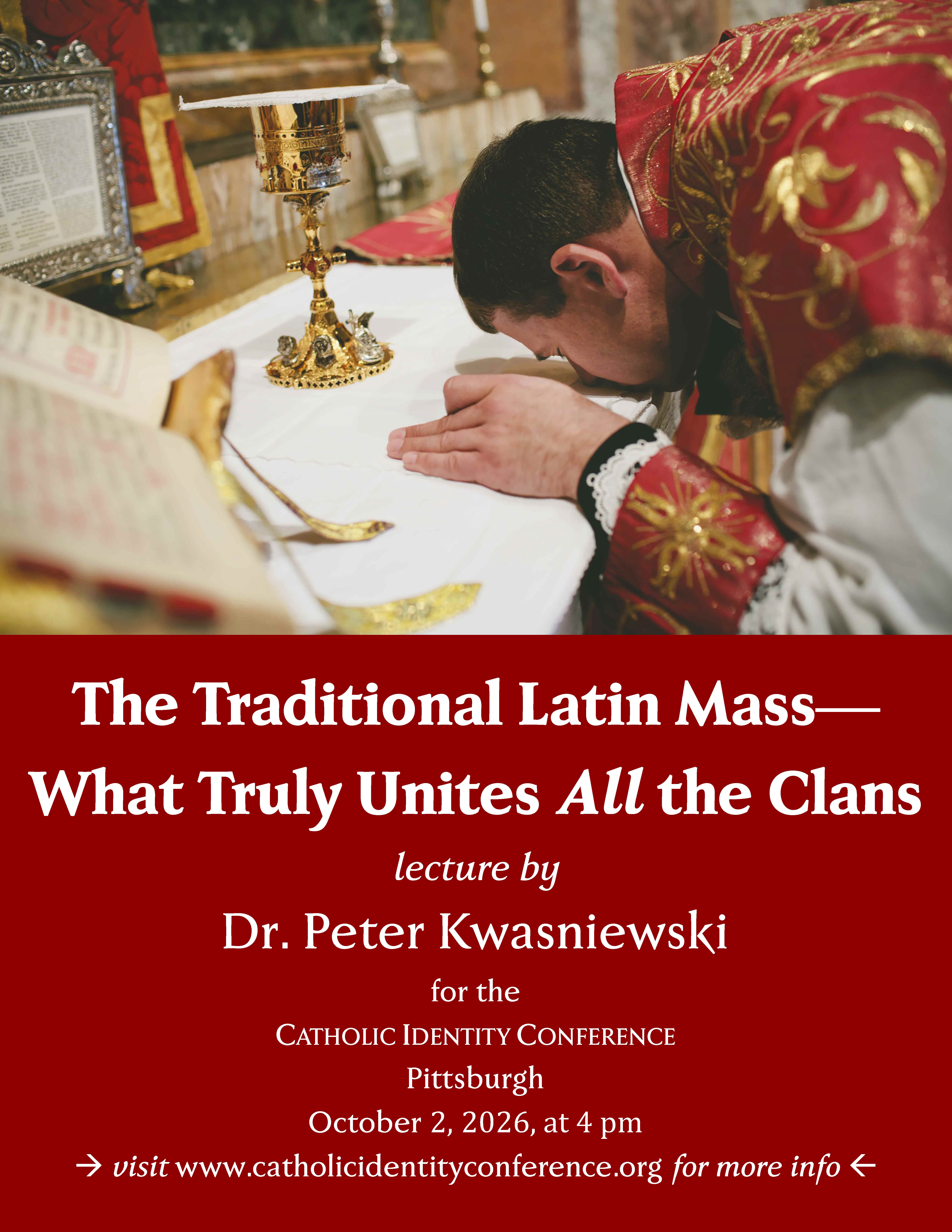
Friday, October 2, 4pm, Pittsburgh, PA (register here)
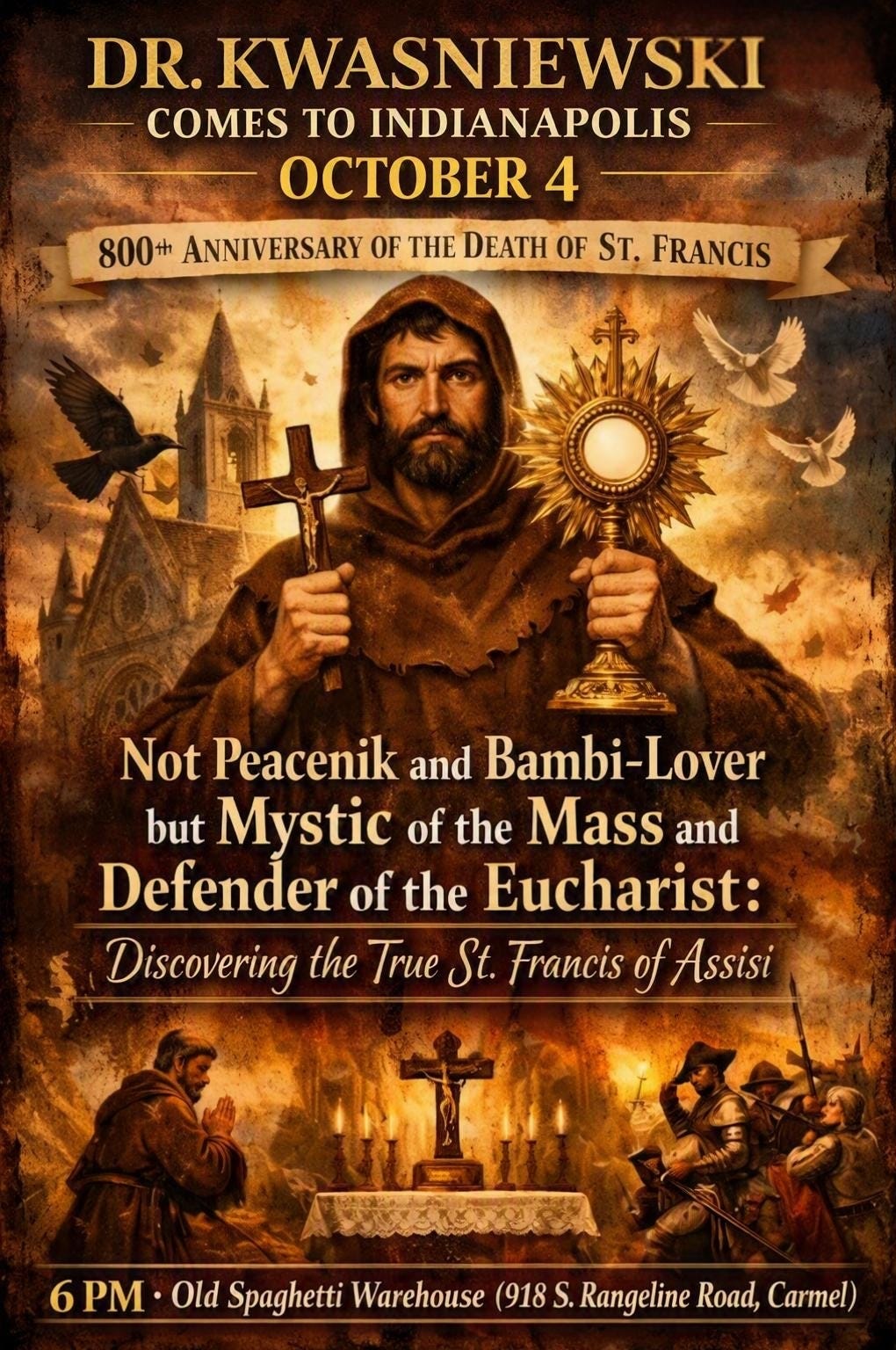
Sunday, October 4, 6pm, Carmel, IL (with dinner; register here)
Full details in the flyers below.
Now to today’s feature!
As many of you (probably nearly all of you) know by now, I direct a publishing company called Os Justi Press. I founded it about 10 years ago, initially with the idea of reprinting old books. That’s all we did for a while.
Then, almost exactly 4 years ago, I read John P. Joy’s article series “Disputed Questions on Papal Infallibility” and was so deeply impressed that I asked him if we could publish a revised and expanded version as the first book in a series to be called “Studies in Catholic Tradition.”
Things really began to take off from that point.
Now there are 16 volumes in that series (the last being Lumen Christi: Defending the Use of the Pre-1955 Roman Rite); and it has been joined by two more series: “Theological Classics” (comprising, at this time, works by Vincent of Lerins, John Henry Newman, and Romano Guardini), “Studies in Liturgical History and Reform” (including first-ever translations of Guéranger and Le Brun des Marettes, and two others to be discussed in just a moment), and now, “The Distributist Bookshelf.”
Outside of those series, we have published many dozens of books, in the areas of liturgy (our specialty), dogmatic and moral theology, Sacred Scripture, vocations, culture and the fine arts, literature, historical biography, political and economic philosophy, pamphlets, foreign-language books, prayer books, and much more. The catalog now numbers well over 100 titles and continues to grow month to month. It has also developed into a family business: my son does the graphic design, advertising, and website management; my daughter-in-law assists with publicity; and my wife helps with manuscript evaluation and mailroom tasks.
The reason I mention all this is simply that, in times past, I used to share announcements of new Os Justi publications on this Substack, and although I have done it a little bit in recent times (at the very end, I’ll link to a bunch of relevant Substack items), I’ve fallen far behind, and would like to remedy that with the present post.
Let me start with the book that has taken the Catholic world by storm: Hanael Bianchi’s A Liberal Revolution: The Implementation of Vatican II in the Archdiocese of Baltimore.
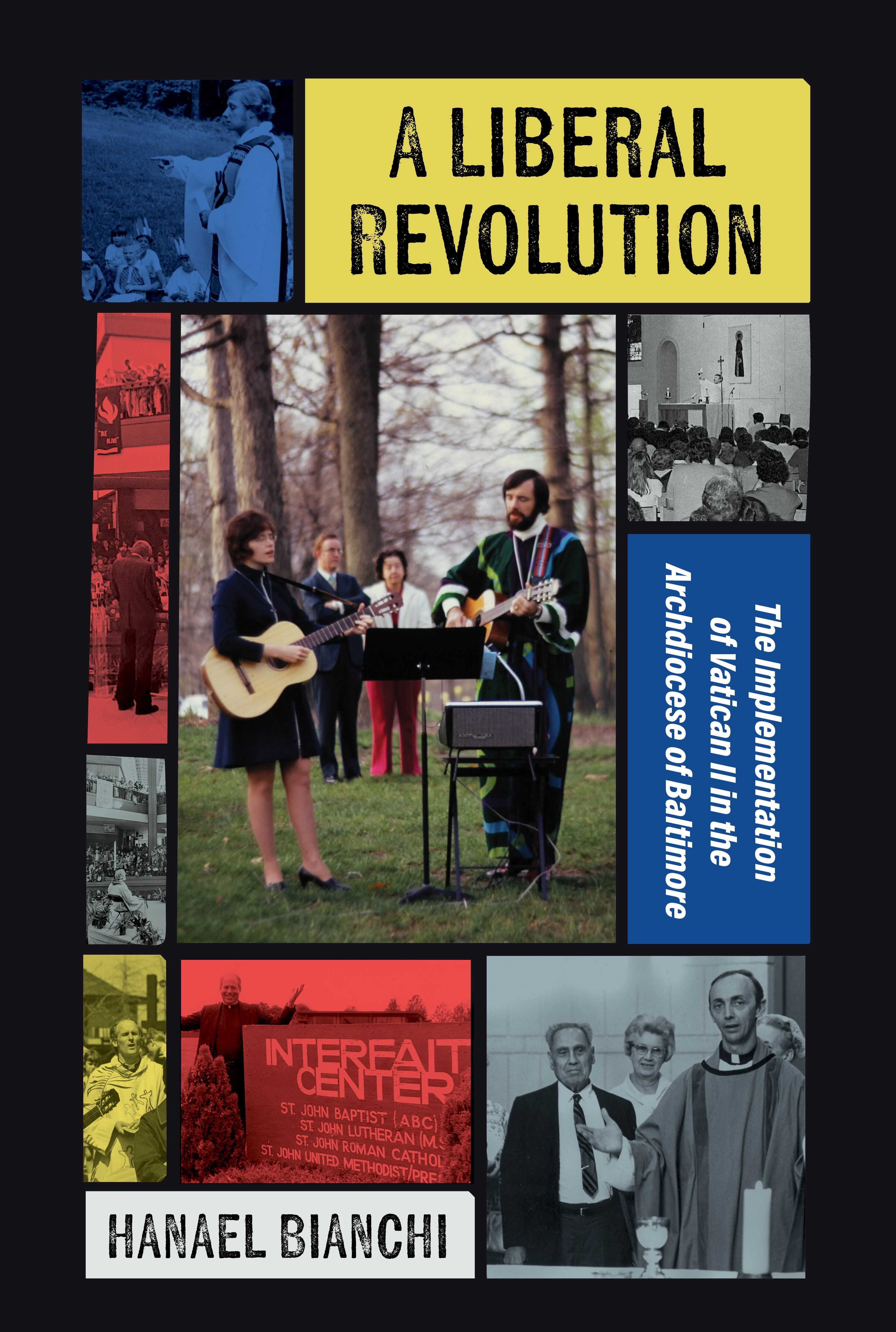
While the Second Vatican Council has generated a large scholarly corpus, A Liberal Revolution is the first history to be written of a diocese in the years immediately following it. Using the important see of Baltimore as a case study, and drawing exclusively on primary sources such as newspaper accounts and archival materials, Hanael Bianchi reconstructs how the Council was implemented and experienced on the local level.
The claim that the Church “embraced the modern world” after Vatican II is well known; this book sharpens it by focusing specifically on liberalism as the framework through which implementation took place. The study begins by tracing the dismantling of inherited traditions, then turns to the rise of individualism within Catholic life and governance, before arriving at its most original contribution: an analysis of the emergence of a dense church bureaucracy that embodied and enforced a liberal worldview.
Although the story told in these pages is a tragedy, A Liberal Revolution is no polemic; rather, it is a work of historical analysis grounded in years of research. It will not only contribute to the scholarly understanding of Vatican II and its aftermath but also offer guidance to Catholics seeking a path toward genuine renewal, grounded in a thorough and accurate assessment of what actually happened.
Bianchi’s book has been the subject of many reviews already. Here are a few: Anthony Esolen’s “Destruction Comes Also From the Ground Up” (Crisis Magazine); John Pepino’s “A Liberal Revolution masterfully chronicles post-conciliar confusion and decline” (Catholic World Report); Adam Tate’s “Liturgical Reform Case Study: the Catholic City of Baltimore” (OnePeterFive); James Green’s “The Novelty That Wore Off and the Bureaucracy That Didn’t” (Grain of Wheat); and Kevin Tierney’s at his Substack. The author also did a podcast with Darrick Taylor on Controversies in Church History. And I’m sure there will be more to come, as the book continues to reach more and more people with its potent message—all the more powerful because of the author’s sober restraint and scholarly rigor.
Or, if you just can’t get enough of those groovy period photos…
Hilaire Belloc redivivus
Hilaire Belloc (1870-1953) is truly one of the greatest Catholic writers of the 20th century. The author of some 150 books, he redefines the meaning of the word “prolific.” He specialized (if that’s the right word for someone so versatile) in history, biography, essays, travelogues, and poetry.
While some of his works have always remained in print, others, sadly, have gone out of print, and are very hard or impossible to come by.
As I share in this personal reflection, I first fell in love with Belloc in high school, when a chance discovery at a bookstore allowed me to acquire a hefty stack of his works, which I then devoured in my plaid reading chair at home:
The value of Belloc’s work abides, because he brings a philosophical and religious vision to history that enables him to make more sense of the vast tangle of details and their implications than is often to be found among secular historians, in spite of their deep but narrow scholarship.
Os Justi Press has now positioned itself as a major republisher of Belloc’s writings. In this video I introduce our new series “The Distributist Bookshelf”; our matching set of three beloved Belloc classics (The Path to Rome, The Cruise of the Nona, and The Four Men); our collaboration with Mysterium Press of England as the exclusive US distributor of their new editions of Belloc biographies (Cranmer, Cromwell, Wolsey, James II, Charles I, Charles II); and our five new reprints... with more on the way!

The five reprints pictured above bring back works that have long been out of print and hard to obtain. Details:
Belloc worked assiduously against the anti-Catholic bias of the official “Whig” history of England. Generations of Protestants had distorted the history of the Isles in their favor; armed with his vast knowledge of the historical record, Belloc set about telling a truer story. A Shorter History of England, a substantial (almost 700-page) text filled with maps and charts, is Belloc’s careful abridgement of his four-volume History of England.
Many begged Belloc to write a full biography of Chesterton. When finally he wrote his short book On the Place of Gilbert Chesterton in English Letters, he professed that it was but “notes of a friend,” saying: “My chief claim to know and interpret Chesterton is, of course, a permanent and active personal friendship... we were very close companions for more than 30 years.”
In Towns of Destiny, the great traveler pays tribute to places saturated with cultural, spiritual, and political significance. The ancient layers of the countryside and storied urban centers spring to life as Belloc traverses the African shore of the Mediterranean, the Iberian peninsula, France, and the Rhineland, sharing vivid tales and learned commentary.
A collection of various magazine articles, Places was published during the height of the Second World War; one sees Belloc mourning for the passing of the old Europe. He writes in the introduction: “I have here collected many an impression of travel of the sort which I fear can never be repeated in a ruined world.”
Belloc’s encounters with nature were often the starting point for musings of a philosophical bent, such as the ones collected in The Silence of the Sea and Other Essays. He writes: “What I most love in the sea is its silence... Because the sea lives (while the land lies inert) we cannot think of it as dumb: nor is it. But it speaks in a veiled fashion as do the oracles of the Gods.”
There’s an automatic 15% discount on all five as a set once you put them in your basket and begin the checkout.
You can find all of our Belloc books at this link.
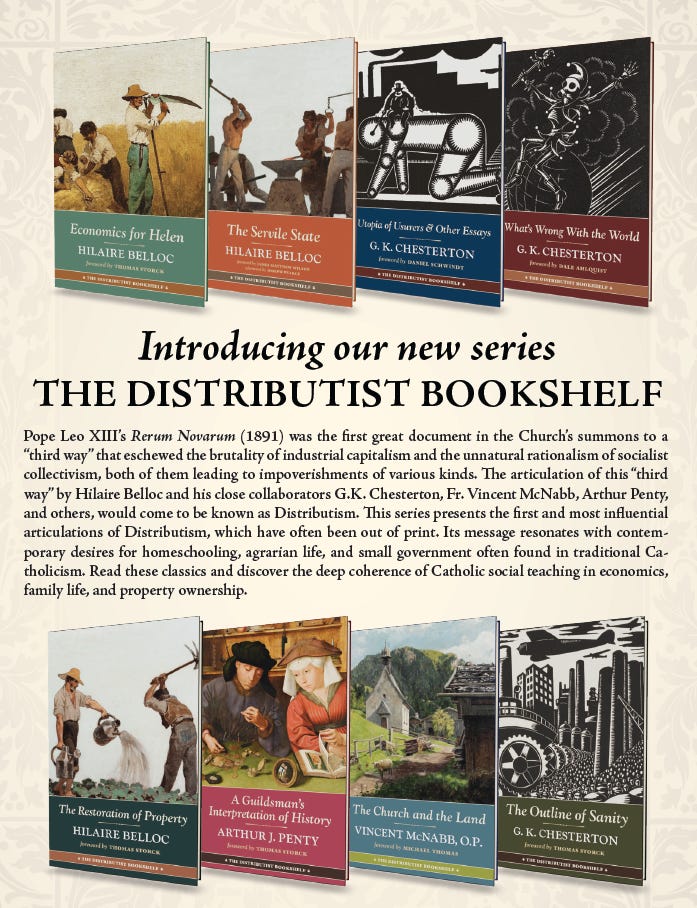
The Distributist Bookshelf
“The Distributist Bookshelf” is a freshly typeset library of important works that synthesized and developed Catholic Social Teaching in the modern era. We’re kicking it off with four reprints in paperback and hardcover editions:
In Economics for Helen, an insightful study of wealth, property, money, and economic processes, Hilaire Belloc lays out his subject with the clarity of a handbook for youths. Foreword by eminent proponent of CST, Thomas Storck.
In The Servile State, a work admired even by anti-distributists, Belloc seeks to explain the increasing discontent of modern capitalist societies. Writing after Tocqueville and Marx, Belloc shows his debt to their practice of viewing social and economic life as expressive of fundamental intellectual forms. Foreword by James Matthew Wilson; afterword by Joseph Pearce.
G.K. Chesterton, author of Utopia of Usurers & Other Essays, understood that the small does not defeat the large by imitating its scale; it persists by refusal to be conformed to its errors. Instead of offering readers optimism, he offers them truth—a refusal to consider the battle between traditional sanity and modern madness finished. Daniel Schwindt’s introduction sets the work in its historical context.
Chesterton was commissioned to write What’s Wrong with the World for a “broad” audience, so he focuses on what is wrong with the world not from an expressly religious perspective but from a social perspective. He identifies four culprits: Big Government, Big Business, Feminism, and Public Education. Foreword by Dale Ahlquist.
There’s an automatic 10% discount on all four as a set once you put them in your basket.
And, as the ad below shows, we’re working on several more for the series:
Books connected with the sacred liturgy
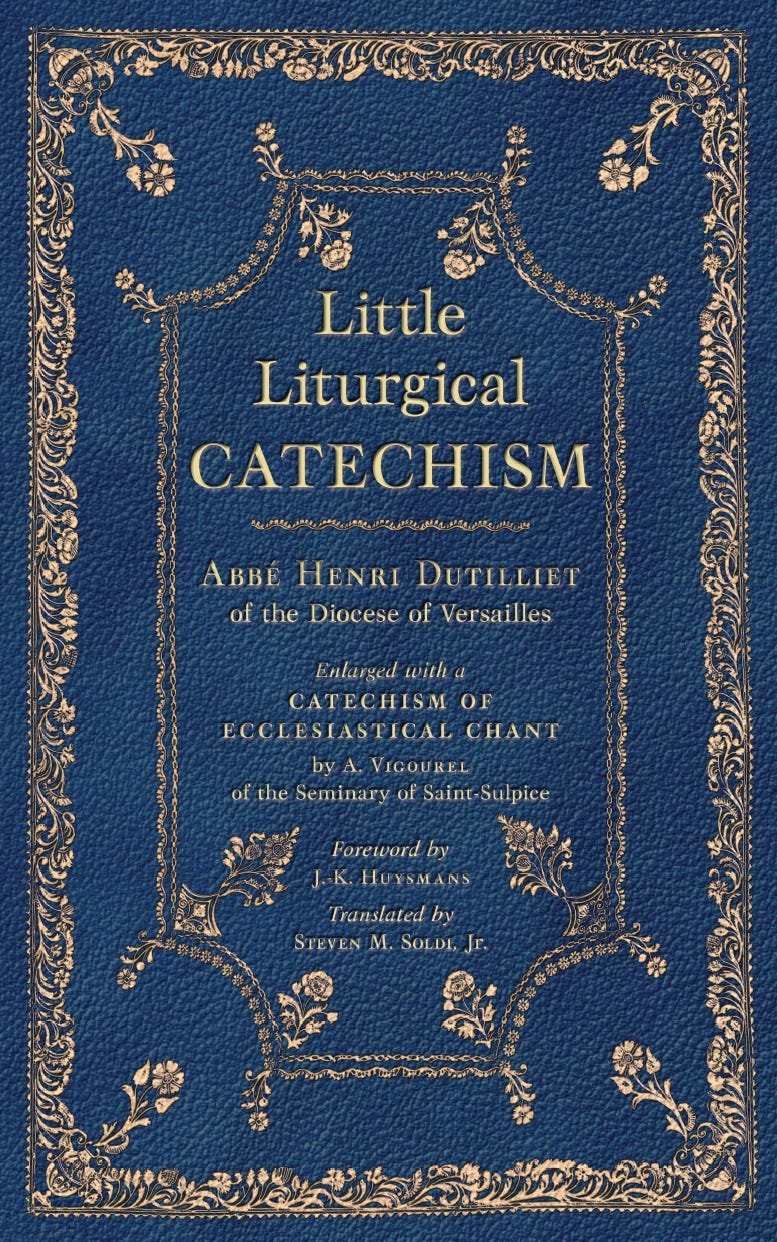
Originally published after Dom Prosper Guéranger completed his three-volume Liturgical Institutions (1840–1851) yet prior to his final (ninth) volume of The Liturgical Year (1841–1875), Abbé Henri Dutilliet’s Little Liturgical Catechism (1860) bridges his master’s two monumental achievements in a comprehensive distillation of the Roman liturgy and the Church’s annual cycle of worship.
Despite his encyclopedic effort, his book went out of print and was forgotten—until the famous decadent-novelist-turned-Benedictine-oblate Joris-Karl Huysmans discovered it in a bookshop in the early 1890s and saw in it a remedy for the “ignorance of the Sacred Liturgy” he had observed among the faithful in 1896. Nor has the need for education ceased 130 years later, when the traditional rite so beautifully expounded in this catechism has returned to more and more churches. It is thus fitting to bring Dutilliet’s marvelous catechism to light for our times, even as Huysmans did for his.
Expanded with notes that explain unfamiliar terms or point out differences between the Tridentine rite about which this catechism speaks and the twentieth-century modified versions of it, this first-ever English translation of Dutilliet’s text intends to offer the faithful “the enduring enchantment of the admirable year of the Church” and the understanding that “all in her worship is full of meaning; nothing is left to hazard; no detail, however minute, is without purpose.” Reading this catechism is not only a painless way to acquire much learning in a short time, but a haunting reminder of just how much has been lost in the postconciliar Church—and how much we stand to gain by its restoration.
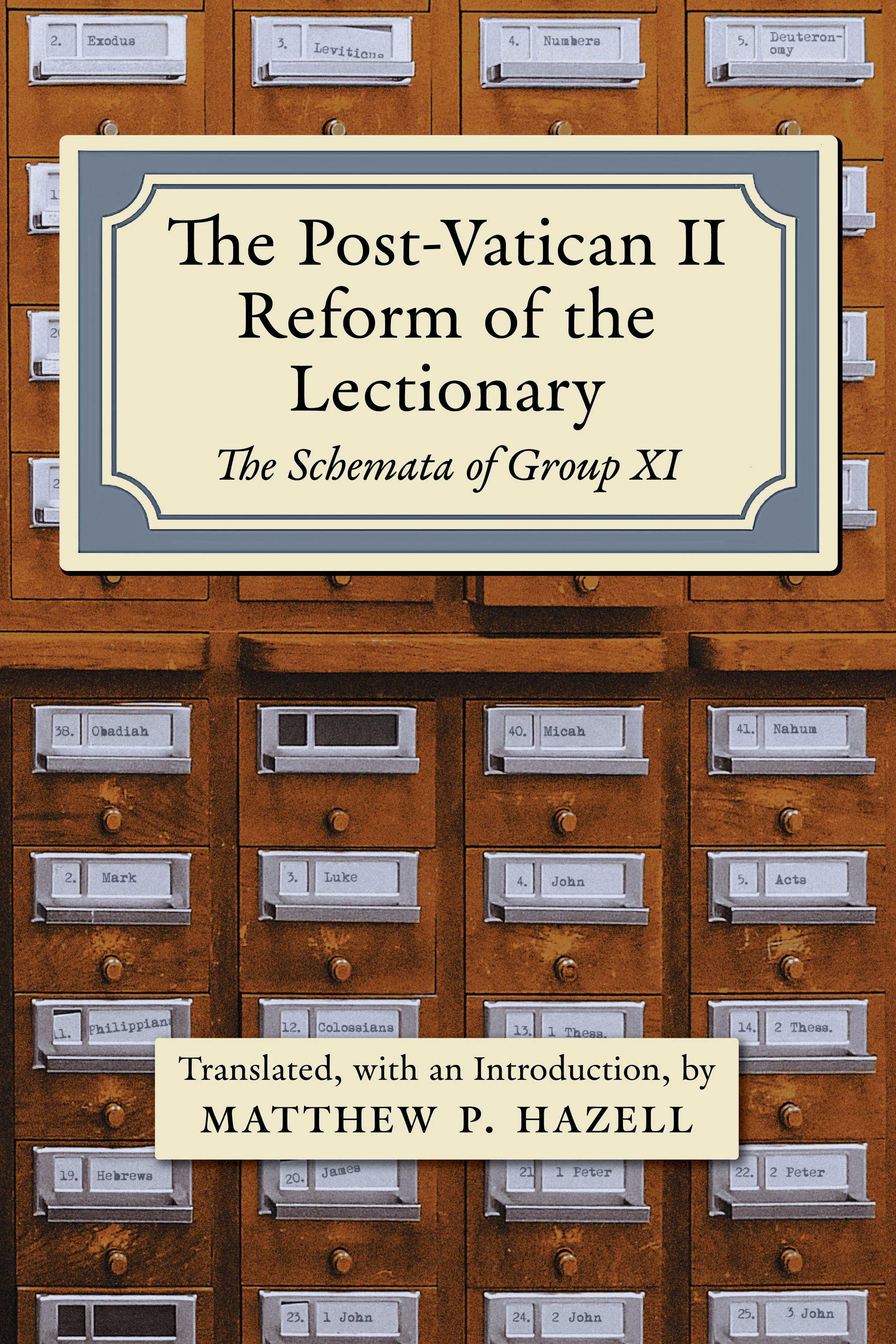
The Lectionary for Mass, drawn up by Group XI of the Consilium ad exsequendam, is often held up as one of the greatest achievements of the post-Vatican II liturgical reform. Yet until recently, the full details of their discussions and labors have remained unpublished, accessible only to archival researchers and specialist scholars.
Matthew Hazell’s The Post-Vatican II Reform of the Lectionary: The Schemata of Group XI—part of our Studies in Liturgical History and Reform series— offers an English translation of the Latin and French documents of Group XI in their entirety. In fact, this is the first time the complete documentation for any of the Consilium study groups has been made available in translation! The process of the reform of the lectionary can thus be traced through the various draft orders of readings as well as the debates among the members and consultors of the Consilium. Hazell’s detailed introduction contextualises the reforms within the history of the twentieth-century liturgical movement and the Second Vatican Council, while appendices contain supplementary material such as the weekday orders of readings used experimentally in certain countries during the 1960s.
By making the primary source documentation more accessible to all, this volume of 512 pages, with abundant charts, notes, and bibliography, contributes to further critical study and exploration of the Novus Ordo lectionary and the post-Vatican II liturgical reforms more generally.
When the Sulpicians were at their height
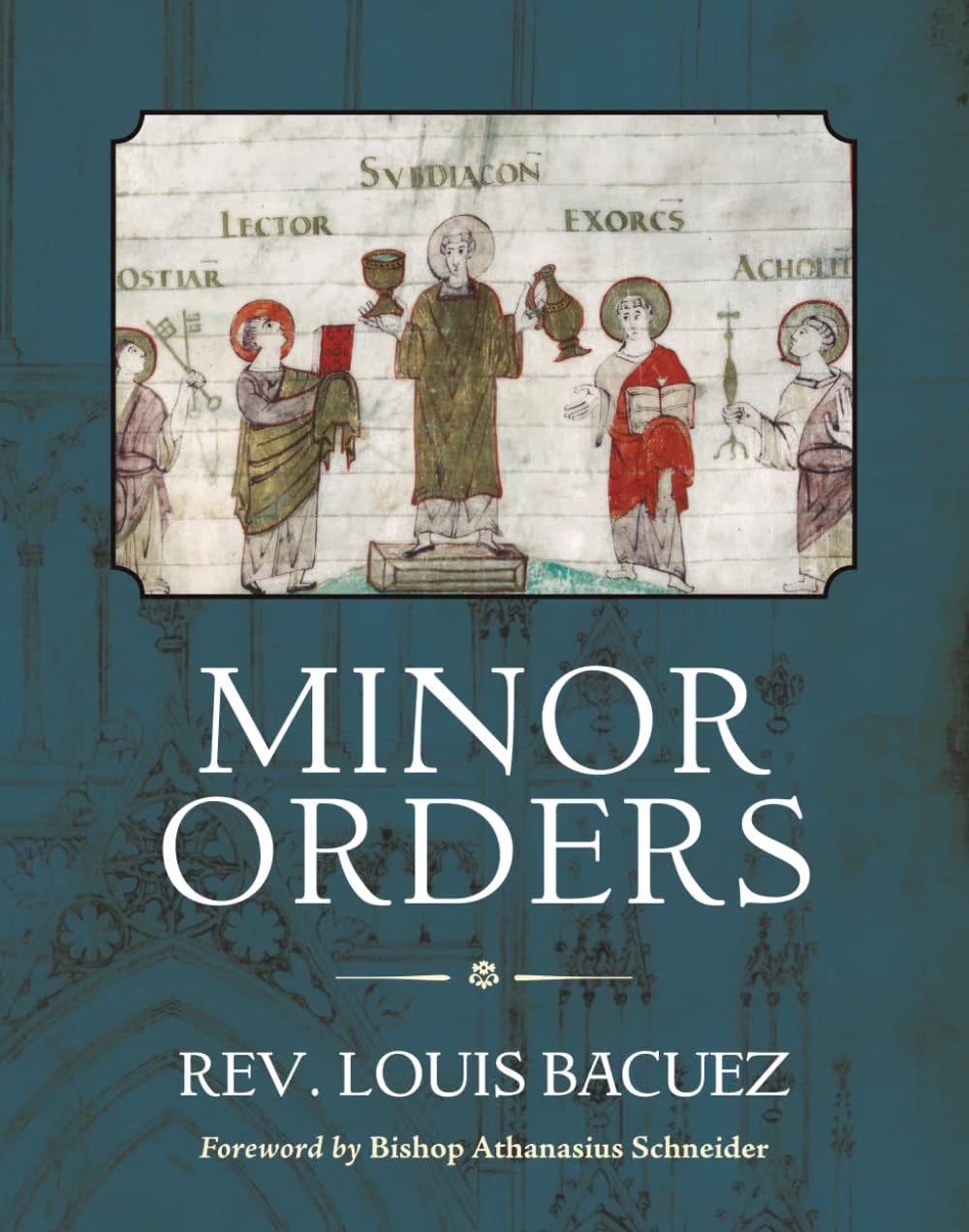
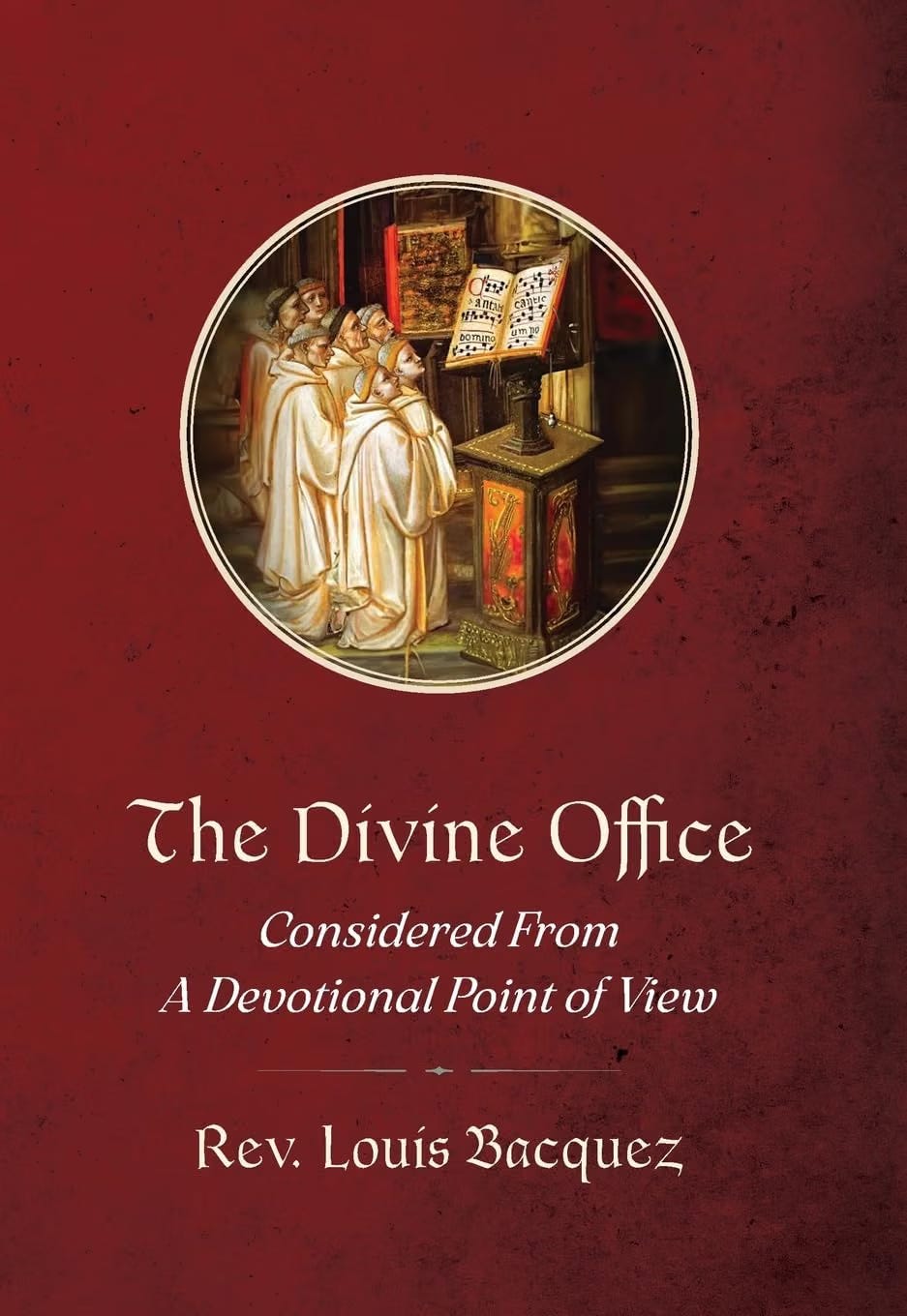
Here we have reprints of a pair of very fine works from a 19th-century Sulpician of Paris.
The Divine Office by Louis Bacquez (1820-1892; his name is sometimes given as Bacuez) supplies a need felt among the clergy and others who for a book that treats practically of the Divine Office, with sound advice and numerous aids for achieving a more fruitful use of the Roman Breviary in daily prayer and meditation. Cardinal Manning, Archbishop of Westminster, testified in 1885:
“We are all apt to turn from the substance in our hands to the shadows that allure us. To say the Holy Mass, even in the midst of our infirmities, as the Holy Mass ought to be said, would lift us in ascending towards God to a nearness which we can hardly conceive; for the Holy Mass is a daily renewal of our union with our Divine Master.
“To say the Divine Office as it ought to be said would fill us with inexhaustible matter of mental prayer, for it is the work of the Holy Ghost and of the Saints. The seven hours are seven visits day by day to the heavenly court; our voice is united to the eternal adoration; and our daily Office ascends in the golden censer with the prayers of the Saints.
“The translation of this most edifying work from the walls of Saint-Sulpice, the source of so much sacerdotal perfection, comes to us most opportunely, and we heartily commend it to the use of the clergy and of the faithful.”
Minor Orders, a series of meditations, will help the reader better appreciate and honor the Church’s ancient Minor Orders and, if he himself is due to receive them, will prepare him to enter upon these offices with optimal dispositions. Between receiving tonsure and subdiaconate, the seminarian in the Roman Rite is ordained to the minor orders of porter, lector, exorcist, and acolyte. Thus, it is well worth his time to meditate on the nature of these orders—the powers they confer, the virtues they require, the duties they impose, the graces to which they entitle their recipient, the fruits they ought to produce.
Nothing could be better suited to touch his heart, to make him feel the necessity of growing in perfection and raising up ardent prayers for divine assistance, as he comes to partake in diverse ways of the singular High Priesthood of Jesus Christ, the Mediator between God and man.
A luminous Foreword by Bishop Athanasius Schneider, exclusively found in this edition of Bacuez’s work, furnishes an historical overview and theological defense of the traditional minor orders, which, thanks be to God, continue in the Catholic Church thanks to the traditional institutes that have never ceased to confer them.
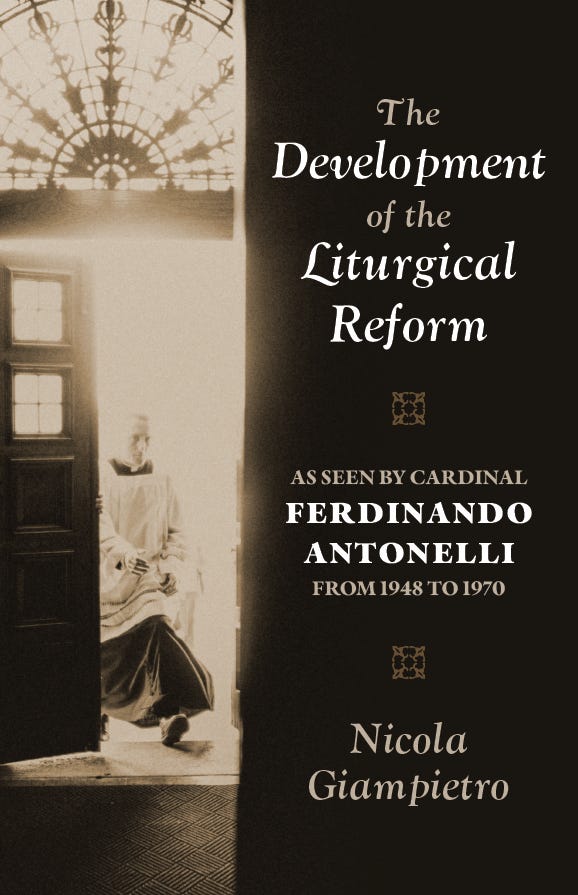
Based on the diaries and notes of Cardinal Ferdinando Antonelli, a pivotal figure in the Catholic Church’s liturgical reform movement for over twenty years, Nicola Giampietro’s now-classic work The Development of the Liturgical Reform reveals many important details about the forceful personalities that drove the process from Pius XII to Paul VI, the systems and methods by which decisions were made, and the competing principles invoked, with at times chaotic results. Out of print for some time, Os Justi Press has brought it back:
Here’s what some rather important figures had to say about it when it first came out in Italian:
“This book is an important contribution to the study of the liturgical reforms of the twentieth century... Antonelli embarked with considerable enthusiasm on the reform...and continued to participate in this project until 1970, when he felt that his moderate approach to liturgical renewal was abandoned. In Antonelli’s judgement, the lack of sound theological foundations made the Consilium...diverge significantly from the genuine renewal desired by the Second Vatican Council.” —Antonio Cardinal Cañizares Llovera, former Prefect of the Dicastery for Divine Worship
“Cardinal Antonelli’s notes reveal a man of great faith and of the Church struggling to come to terms with some of the inner currents which influenced the work involving the Consilium. What he wrote in these diaries reveals quite candidly his feelings of joy as well as of sorrow and at times of fear at the way things were being made to move along, the attitudes of some of the key players and the sense of adventurism which had characterized some of the changes that had been introduced.... Above all, it is a timely study which would help us to see another side of the otherwise over-euphoric presentations of the conciliar reform by other contemporary authors.” —Malcolm Cardinal Ranjith, former Secretary of the Dicastery for Divine Worship
“Nicola Giampietro’s book presents views that raise questions and provide considerable material for discussion about the liturgical reform before and after the Second Vatican Council.” —Joseph Cardinal Ratzinger, La Maison-Dieu (2002)
Not exactly three nobodies!
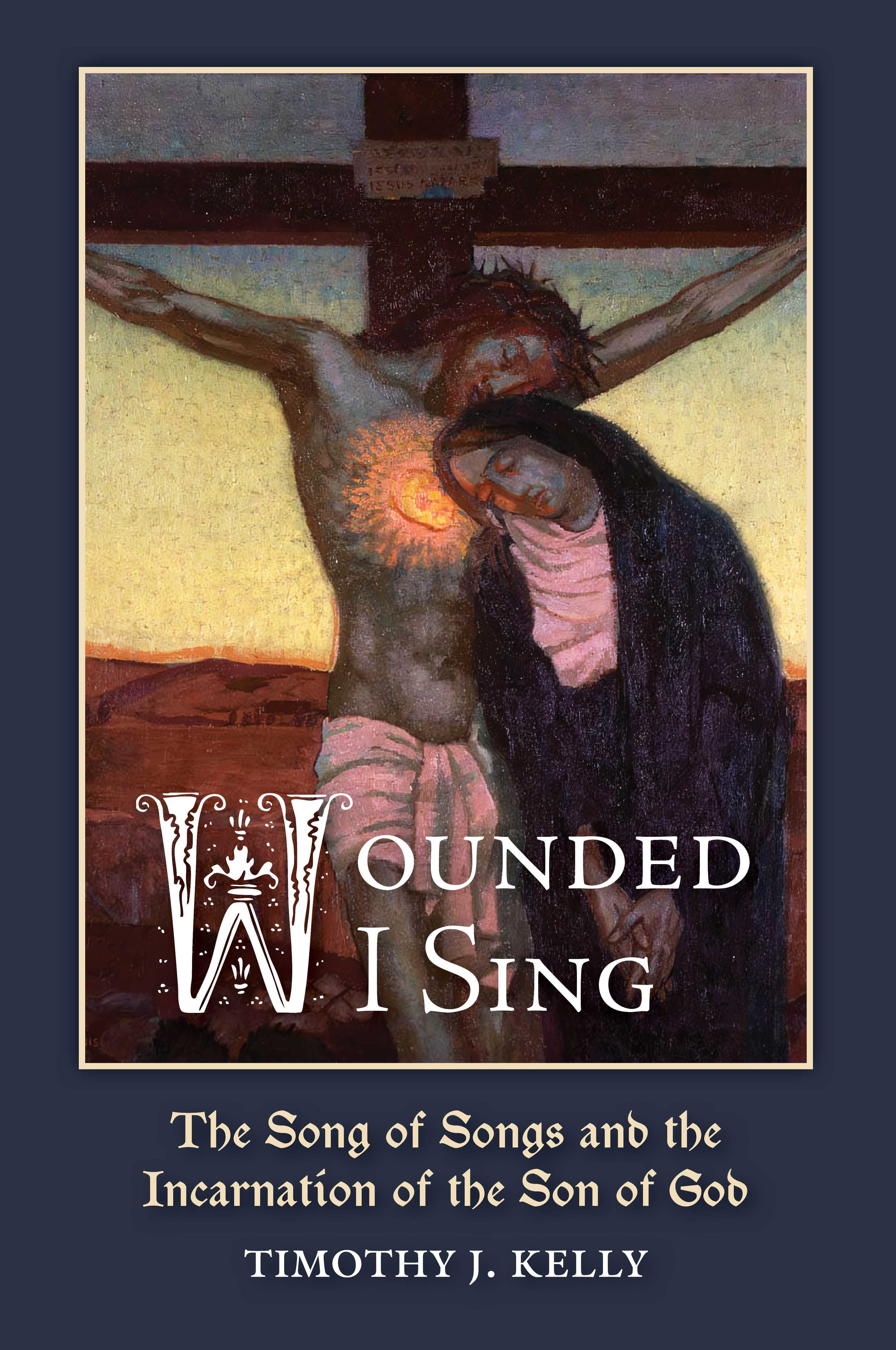
If you’ve ever read the Song of Songs (also called the Canticle of Canticles) in the Old Testament, you probably had more than a few questions about it! What is this very sensuous book about a lover and a beloved doing in the canon of Scripture? In his book Wounded I Sing, Timothy Kelly, a professor of theology at the International Theological Institute in Austria, argues that Christians are uniquely positioned to unlock the mysteries of Solomon’s Song, which opens its secrets more and more as we read it in and through the Heart of Christ.
When the Word became flesh, the transcendent God of love reached down into our mortal, passible nature to join it as a man joins his betrothed, and upon the Cross He accomplished a bodily-spiritual nuptial covenant with the Church and every baptized soul that He renews, day after day, in fleshly-and-spiritual Eucharistic communion. What the Hebrews longed for as yet-to-be-attained in the Messianic age, the Christian receives as now accomplished in the sacrifice and sacrament of the Lord's Passion—yet this, in turn, is the foretaste and pledge of something far greater: the eternal wedding feast of the Lamb.
The dynamism of eros that characterizes the Song reveals both the fiery love of the Divine Lover and the yearning of His beloved to be inseparably one. This is the essence of the Christian life and no book in the entire Bible conveys it better. No wonder the Fathers and Doctors wrote more commentaries on the Song of Songs than on any other book. No wonder it entices and baffles us. We can be thankful to Dr. Kelly for synthesizing all of this—drawing especially on St. Bernard of Clairvaux, St. Thomas Aquinas, and Matthas Scheeben—into a readable guide that opens one magnificent vista after another. An exemplary work of Thomistic synthesis, with the clarity of Garrigou-Lagrange and the eloquence of Pieper.
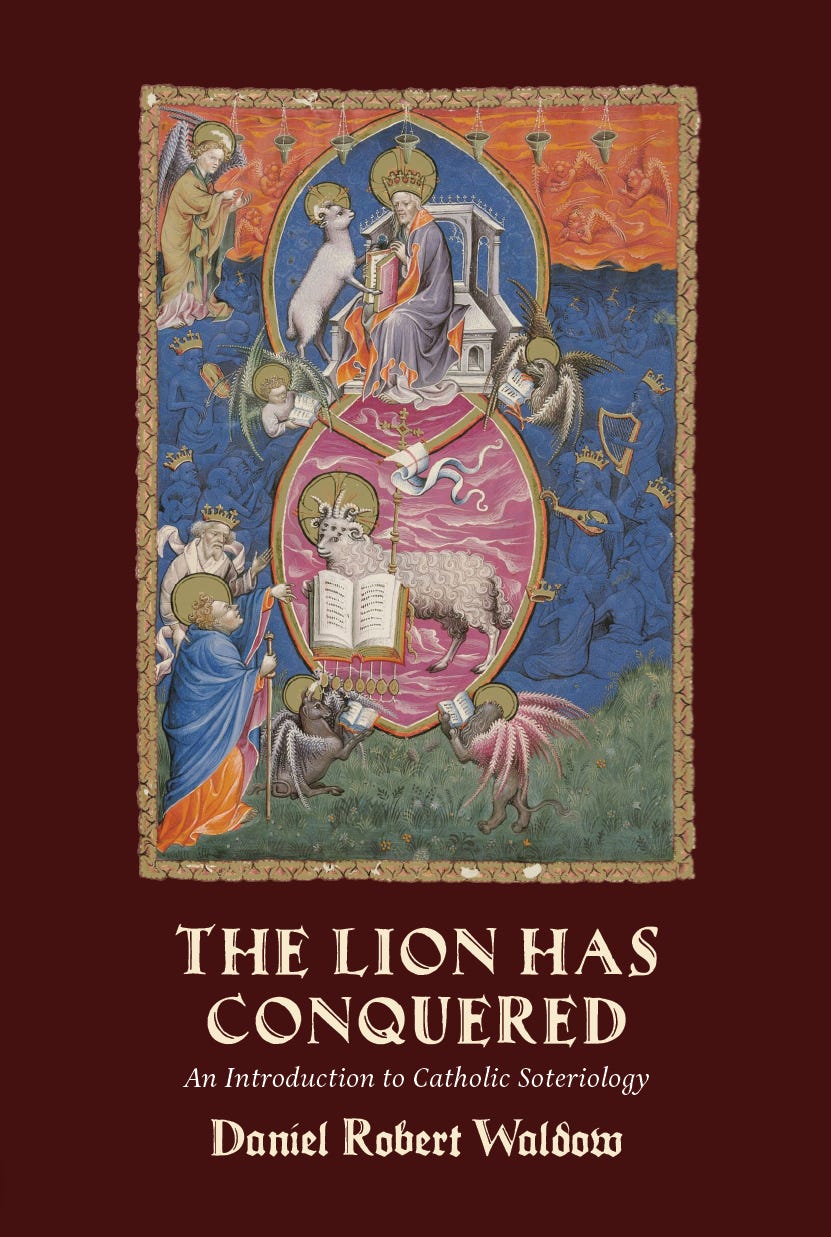
Speaking of Thomists and Scripture…
The Book of Revelation depicts Jesus as a lion who has conquered (Rev. 5:5). It also depicts Him as a Lamb that was slain from the foundations of the world (Rev. 13:8). But what has Jesus conquered? And how has he done so? The Bible also repeatedly refers to Jesus as our “savior.” But what does Jesus save us from, and how does he do so?
Daniel Waldow’s The Lion Has Conquered is a highly readable introduction to Catholic soteriology—the branch of theology that seeks to answer these questions—as expressed in Scripture and Tradition, and informed throughout by the luminous writings of St. Thomas Aquinas. It guides the reader through fundamental principles, issues, and questions, such as the nature of and relationship between sin, punishment, death, and hell; the purpose of ritual and moral sacrifices in the Old Testament; the salvific function of the Incarnation, public ministry, and Paschal Mystery of Christ; the objective work of Christ and our subjective participation in that work; cooperation between grace, good works, and the heavenly reward; the salvific function of Baptism, Penance, and the Eucharist; and the relation between the sacrifice of the Cross and the sacrifice of the Mass.
If you’ve made it this far… here’s a heads up for next Thursday’s post:
Major announcements coming on October 1st!
Appendix
As promised above, here are Tradition & Sanity posts in which other Os Justi Press publications are discussed:
“But What About the Other Six?”: Tradition Beyond the Mass

In 1969, A Short Critical Study of the Novus Ordo Missae was published with the signatures of two powerful cardinals, Antonio Bacci and Alfredo Ottaviani. Nicknamed “The Ottaviani Intervention,” it quickly become a classic, and has never gone out of print. But... where was its companion volu…
A Young Man Tries a Postconciliar Vocation and Discovers Tradition

Henceforth, Saturday posts will be free and open to the public. Unlike Monday and Thursday articles, which always have voiceovers (either me recording the post or another T&S writer), Saturday posts will not have voiceovers.
“You are dismissed, major! This meeting is over! Now get out! Go!”

Today, I am pleased to present to Tradition & Sanity’s readers a number of representative excerpts from David Sonnier’s newly-released memoir Rites and Wrongs: One Man’s Struggle for the Latin Mass in the U.S. Army (Os Justi Press). En…
Modernity’s Black Magic and the Sophianic Vision of Christian Theosis

One of the most important and powerful manuscripts I’ve ever read is Sebastian Morello’s Mysticism, Magic, and Monasteries: Recovering the Sacred Mystery at the Heart of Reality. Indeed, that was the reason I had to publish it! To say that it has the potential to shift one’s worldview is to put it lightly. For those who are already skeptics about modern…

The Bishop for the Hour: Athanasius Schneider and the Battle for the Catholic Faith

It cannot have escaped the attention of anyone who is even moderately aware of ecclesiastical affairs that the single most orthodox, articulate, dynamic, courageous, involved, precise, and profound Catholic bishop in the world at this time is Athanasius Schneider, who, as an auxiliary bishop from Kazakhstan, stands like a veritable shepherd boy like David facing the global Goliath of apostasy, corruption, indifference, and heresy. And what better day to honor him than on this feast of St. Athanasius of Alexandria, who almost singlehandedly battled against a worldwide episcopacy that had drifted into heresy or had fallen into a mute cowardice?
Clarity on a Topic Too Unclear to Most

Long-time readers of Tradition & Sanity will know that one of our recurring themes has been the right understanding of the office of the papacy.
“In Scorning the Eternal, They Adored the Contingent”

Fr. Gerard G. Steckler, S.J. (1925–2015) is a priest known to relatively few people. He was a beloved chaplain at Thomas Aquinas College in California from 1982 to 1993, where I got to know him well as my spiritual director between 1990 and 1993. During that period he gave me an unpublished manuscript he had written, bearing the title
“Know God, and You Will Increasingly Know Yourself”

Last week, I read my favorite passages from the first seven-eighths of Fr. Gerard Steckler’s book The Triumph of Romanticism. But there’s a lot of wonderful content in the final eighth of the book, rather like a fireworks show in which the finale packs the grandest punch. While I would encourage you to read or listen to
Thank you for reading, and may God bless you!